




22 Sep The New Wave: Saying Goodbye to Unwanted Tattoos
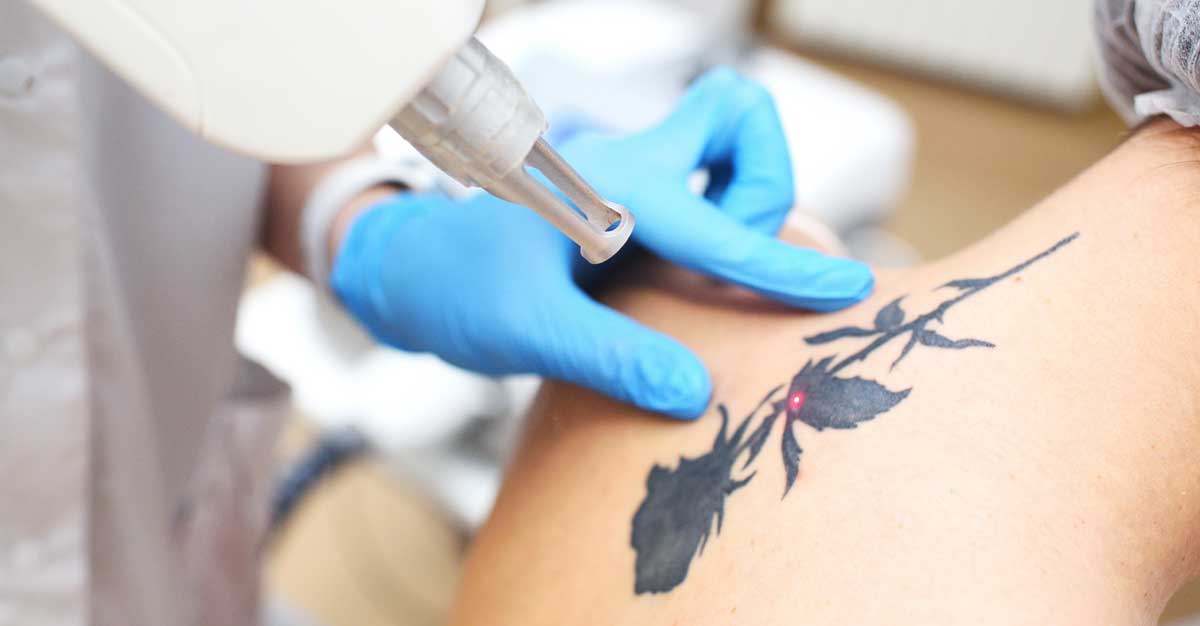
Once considered permanent marks of self-expression, tattoos are no longer a lifetime commitment. With advances in medical aesthetics, tattoo removal has become one of the fastest-growing procedures worldwide. Patients are increasingly seeking safe and effective ways to erase unwanted ink, whether for personal, social, or professional reasons.
The Modern Approach: Laser Tattoo Removal
The gold standard in tattoo removal is laser technology, particularly Q-switched and picosecond lasers. These devices emit ultra-fast pulses of light energy, breaking the ink into microscopic fragments that the body’s immune system gradually eliminates. Over a series of treatments, tattoos fade and, in many cases, disappear completely.
How Many Sessions Are Needed?
Tattoo removal is a gradual process, with results depending on several factors:
- Tattoo size and color – Black and dark pigments respond best, while lighter colors such as yellow or green often require more sessions.
- Depth and quality of the ink – Professionally done tattoos typically go deeper and need additional treatments compared to amateur tattoos.
- Location on the body – Areas with better blood circulation (like the chest or arms) clear ink faster than extremities.
- On average, patients need 6–12 sessions, scheduled 6–8 weeks apart, to allow the skin to recover.
What to Expect During Treatment
The sensation during laser tattoo removal is often compared to the snap of a rubber band against the skin. While tolerable, numbing creams or cooling devices can make the procedure more comfortable. After treatment, patients can expect redness, swelling, and temporary blistering, common signs that the body is working to heal and remove the ink.
The Importance of Choosing a Certified Doctor
Tattoo removal may seem straightforward, but it is a medical procedure that carries real risks if not performed by a trained professional. Certified dermatologists and licensed aesthetic physicians understand skin anatomy, laser safety, and proper settings for different skin tones. When performed by unqualified providers, patients risk:
- Burns or scarring from incorrect laser use
- Incomplete removal due to improper energy settings
- Pigmentation changes, especially in darker skin types
Trusting a certified doctor ensures both safety and the best possible outcome.
Risks and Possible Side Effects
While tattoo removal is generally safe, patients should be aware of potential side effects:
- Skin discoloration (temporary hyperpigmentation or hypopigmentation)
- Scarring, particularly if aftercare instructions are not followed
- Infection if blisters or scabs are picked or improperly cared for
These risks are significantly reduced when treatment is performed in a medical setting and aftercare guidelines are respected.
Aftercare: What to Do for the Best Results
Proper aftercare is just as important as the treatment itself. Patients should:
- Keep the area clean and dry for the first 24 hours
- Avoid direct sun exposure and always apply sunscreen to prevent pigmentation changes
- Do not pick or scratch scabs or blisters to avoid infection and scarring
- Apply prescribed ointments or soothing creams to promote healing
- Avoid strenuous exercise or heat exposure (like saunas) immediately after treatment
Following these steps helps ensure safe healing and effective fading of the tattoo.
A Second Chance for Skin
Tattoo removal is no longer a mystery, it’s a precise, effective, and medically guided process. Thanks to innovations in laser technology, patients can safely remove unwanted ink and reclaim a clear canvas. The key lies in patience, proper care, and choosing a certified medical professional for the journey.