




04 Sep The New Face of Facial Rejuvenation
Why Today’s Facelifts Are About Restoration, Not Transformation
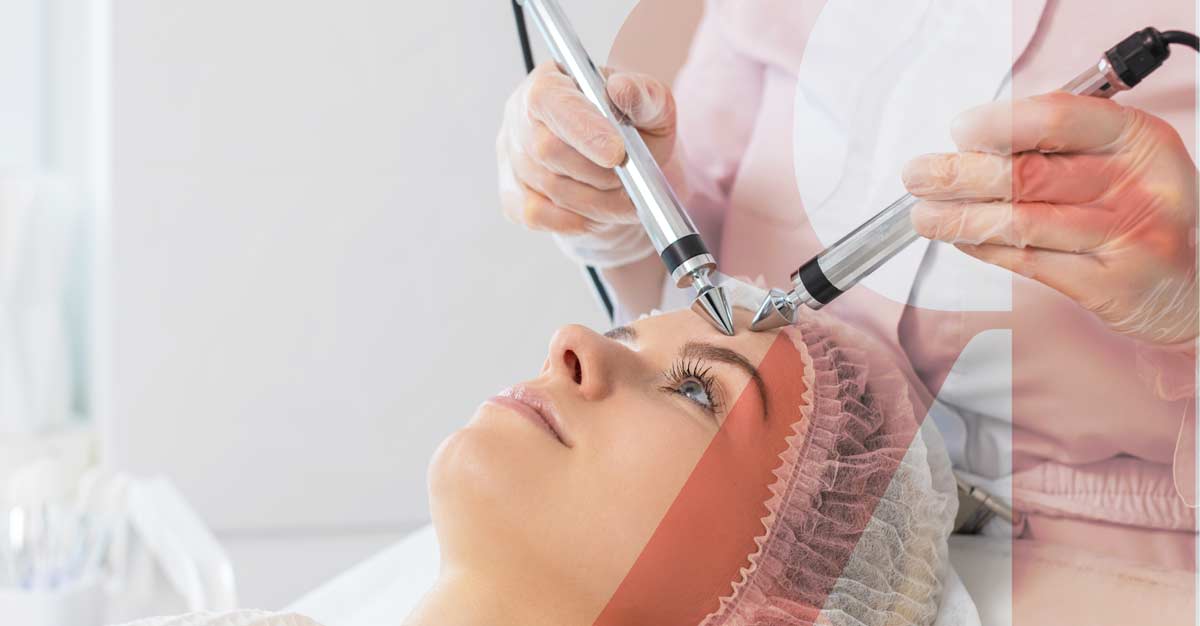
For decades, the word facelift often evoked the same image: skin pulled tightly, unnatural contours, and a face that looked noticeably “operated on.” Modern facial rejuvenation tells a very different story. Advances in plastic surgery, a deeper understanding of facial anatomy, and a growing appreciation for natural beauty have transformed the way surgeons approach aging. Today’s goal is no longer to create a different face; it is to restore the one that time has gradually changed. This evolution reflects a broader shift taking place throughout aesthetic medicine. Rather than chasing youth, physicians are helping patients age with confidence, preserving facial harmony while respecting each individual’s unique identity.
Understanding Facial Aging
Facial aging is far more complex than the appearance of wrinkles. Over time, the skin becomes thinner, collagen and elastin production decline, facial fat compartments lose volume or shift position, retaining ligaments weaken, and even the underlying facial skeleton undergoes subtle remodeling. These combined changes lead to skin laxity, loss of jawline definition, deeper folds around the mouth, hollow cheeks, and changes in the neck. Simply tightening the skin cannot correct these structural changes. Modern facial rejuvenation focuses on restoring support from deeper anatomical layers while preserving natural movement and facial expression.
Beyond Skin Tightening
One of the greatest advances in facelift surgery has been the recognition that aging occurs beneath the skin. Rather than relying solely on skin tension, modern facelift techniques reposition the deeper supportive tissues of the face, allowing surgeons to achieve more natural and longer-lasting results while minimizing the stretched appearance once associated with older techniques. By addressing the underlying structures instead of simply removing excess skin, the face can be refreshed without appearing artificial. The objective is simple: friends may notice that someone looks healthier, happier, or well-rested; but not necessarily that they have undergone surgery.
The Rise of the Deep Plane Facelift
Among the most discussed techniques in facial plastic surgery today is the deep plane facelift. Unlike procedures that focus primarily on lifting the skin, the deep plane technique releases and repositions deeper facial tissues as a single unit. This allows the surgeon to restore the cheeks, soften the nasolabial folds, improve jawline definition, and rejuvenate the neck while reducing tension on the skin itself. For appropriately selected patients, the result is often a softer, more natural rejuvenation that respects facial proportions and preserves expression. It is important to note, however, that no single facelift technique is ideal for everyone.
The most appropriate approach depends on facial anatomy, skin quality, age, medical history, and the surgeon’s expertise.
Surgery Is No Longer Performed Alone
Perhaps the biggest change in facial rejuvenation is that surgery is no longer viewed as a standalone procedure. Many surgeons now combine surgical techniques with regenerative and non-surgical treatments to optimize both structure and skin quality. Fat grafting can restore soft, natural volume while improving tissue quality. Biostimulators may encourage collagen production in selected areas. Laser resurfacing, radiofrequency treatments, microneedling, and regenerative therapies can improve skin texture, pigmentation, and elasticity before or after surgery. The result is a more comprehensive approach that treats not only facial structure but also the quality of the skin itself.
Less Is More
Patients today are increasingly seeking subtle improvements rather than dramatic transformations. The most successful facial rejuvenation is often the least obvious. A refreshed appearance should preserve the natural characteristics that make every face unique. Facial expressions should remain authentic, proportions balanced, and movement unrestricted.
Modern plastic surgery is no longer about creating perfection. It is about restoring balance.
When Is a Facelift the Right Choice?
Many patients wonder whether injectables, energy-based devices, or surgery are the better option. The answer depends on what is causing the visible signs of aging. When the primary concern is early collagen loss or mild skin laxity, non-surgical treatments may provide meaningful improvement. However, when facial tissues have descended significantly and excess skin becomes more pronounced, surgery often provides the most effective and longest-lasting correction. Choosing the right treatment requires careful evaluation rather than following trends or social media recommendations. The best treatment is the one that addresses the underlying cause of aging; not simply its visible symptoms.
Recovery Has Evolved Too
Although facelift surgery remains a major procedure, advances in surgical techniques, anesthesia, perioperative care, and recovery protocols have significantly improved the patient experience. Careful planning, meticulous surgical technique, and appropriate postoperative care help reduce swelling, improve comfort, and support healing. Recovery varies from person to person, but patience remains essential. The final result continues to refine itself over several months as tissues settle and swelling gradually resolves.
Aging Well, Not Looking Different
The philosophy of facial rejuvenation has changed. Patients are no longer asking to look like someone else. They want to look like themselves; well rested, healthier, and more vibrant. That shift has transformed the role of plastic surgery. Rather than fighting aging, today’s surgeons work with facial anatomy, respect natural proportions, and aim to preserve identity while restoring youthful balance. It is an approach that aligns perfectly with the principles of longevity medicine: preserving function, maintaining quality, and supporting healthy aging rather than pursuing unrealistic perfection. Because the most beautiful results are not the ones that erase every sign of time. They are the ones that allow a face to tell its story; with confidence, authenticity, and grace.