




12 Nov The New Era of Hair Restoration
When Exosomes Meet Fractional RF Microneedling
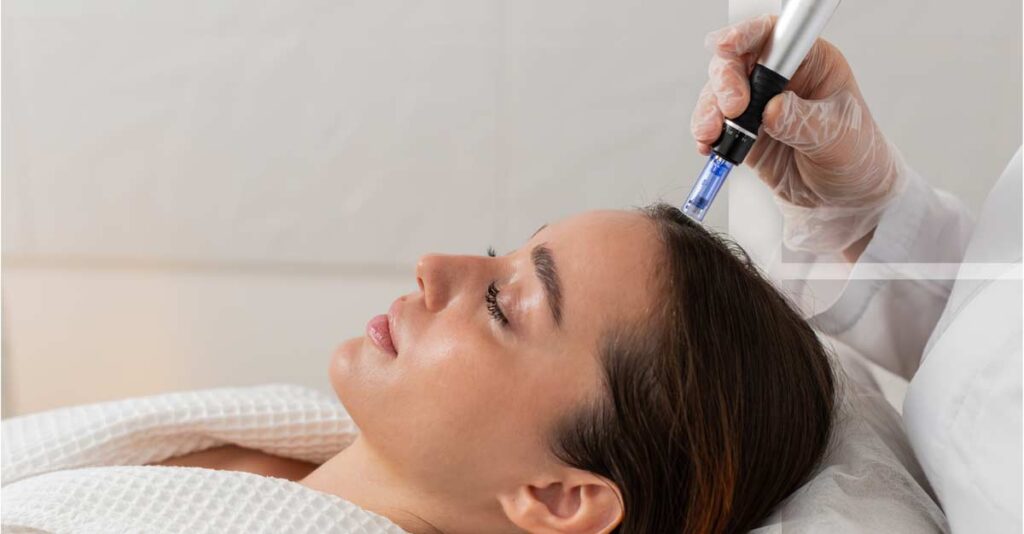
Hair loss affects millions, often impacting confidence and self-image as much as appearance. While treatments like minoxidil, finasteride, and hair transplants remain staples, science is now looking toward a new, regenerative frontier, combining autologous exosomes with fractional radiofrequency microneedling. The approach is modern, minimally invasive, and biologically intelligent, using the body’s own healing signals to awaken dormant follicles.
Understanding Autologous Exosomes
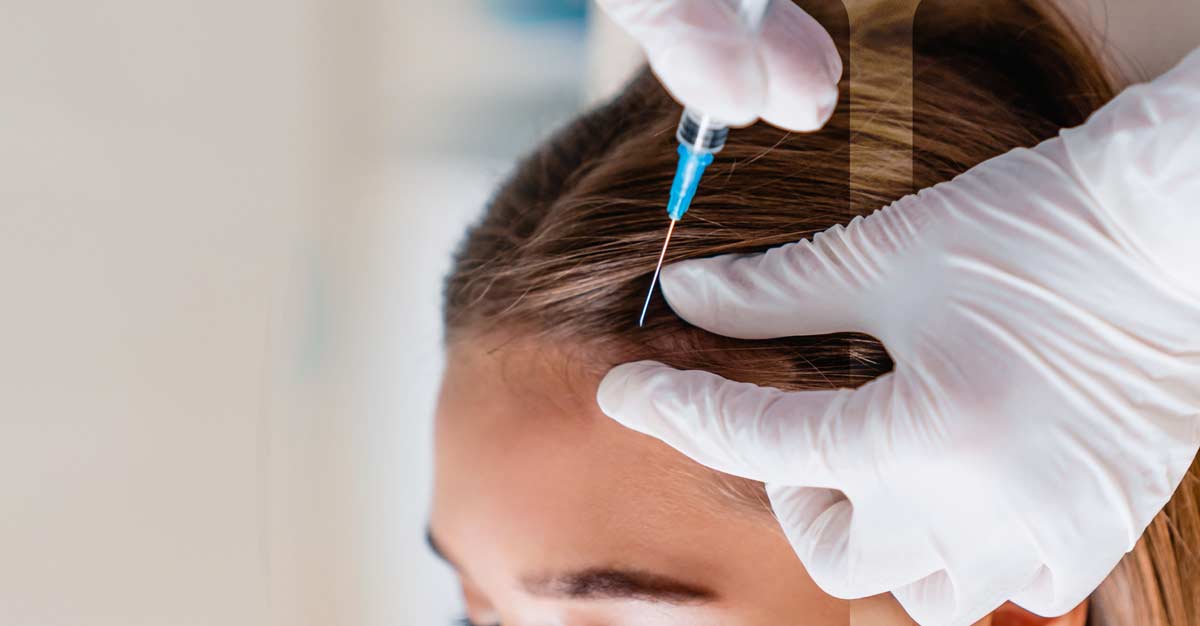
Exosomes are microscopic messengers naturally released by cells. They carry proteins, growth factors, and genetic signals that influence surrounding tissues. In regenerative medicine, they are gaining attention for their ability to promote cell repair and stimulate new growth. When derived from the patient’s own biological material, hence autologous, these vesicles are reintroduced into the scalp to help activate follicular stem cells and encourage hair regeneration.
An aesthetic doctor describes them as “tiny messages your body sends to repair and renew.” Unlike synthetic products, autologous exosomes carry personalized instructions based on one’s own biology, reducing the risk of reactions while amplifying regenerative potential.
The Role of Fractional RF Microneedling
Microneedling has long been used to rejuvenate the skin, and its application to the scalp follows a similar principle. Tiny needles create controlled micro-injuries that stimulate healing and the release of natural growth factors.
When paired with radiofrequency (RF) energy, the treatment reaches deeper layers, gently heating tissue to enhance blood flow and collagen production. This controlled thermal stimulation not only revitalizes the scalp but also creates microchannels that improve the absorption of regenerative substances, like exosomes. As one expert puts it, “You are preparing the soil before planting the seeds.”
The Synergy: Why the Combination Works
When exosomes are applied immediately after fractional RF microneedling, the effects appear to complement each other.
- Enhanced absorption: The microchannels created by RF microneedling allow exosomes to penetrate deeper and reach follicular stem cells.
- Dual stimulation: RF energy triggers the scalp’s natural repair mechanisms, while exosomes deliver molecular signals that encourage growth and regeneration.
- Balanced healing: Exosomes also have anti-inflammatory properties, helping the scalp recover faster and more effectively.
This combination is often described as the future of regenerative hair therapy, a treatment that activates natural biology rather than overriding it.
What Patients Can Expect
The results are gradual, not dramatic overnight. Most patients notice improved scalp quality, stronger hair shafts, and a visible increase in density after a series of sessions. Typically, the protocol involves three treatments spaced a month apart, followed by maintenance sessions as needed. There is minimal downtime, and the procedure is well-tolerated. Patients often describe a renewed sense of confidence, noting subtle yet meaningful improvements, a healthier scalp, less shedding, and fine new growth along thinning areas.
Safety and Transparency
Because this field is still evolving, transparency is key. Exosome therapy remains an emerging treatment, and while studies show encouraging outcomes, it is not yet universally standardized.
Patients should be informed of:
- The origin and preparation of the exosomes used.
- The need for consistency in the protocol.
- The importance of combining the procedure with proven maintenance routines such as minoxidil or nutritional support.
Side effects are rare, typically limited to mild redness or scalp tenderness for a day or two. However, proper hygiene, preparation, and aftercare are crucial to ensure safety.
Who Is the Ideal Candidate?
- Individuals with mild to moderate thinning or early-stage hair loss.
- Those seeking a regenerative option before considering transplant surgery.
- Patients open to progressive improvement rather than instant transformation.
Those with scarring alopecia or autoimmune scalp conditions should always consult a specialist before proceeding.
Looking Ahead
The fusion of autologous exosomes and fractional RF microneedling marks a promising evolution in aesthetic medicine, one that combines precision technology with the body’s own regenerative wisdom
Ongoing studies continue to refine protocols, improve consistency, and define long-term outcomes. As one aesthetic expert puts it, “We are moving from camouflage to true cellular rejuvenation.”
While it is still early to declare it a definitive cure, this combination represents a new philosophy in hair restoration, one that focuses on awakening what is already within.