




04 Sep The Masculine Code
What Makes a Male Face Attractive and Why Aesthetic Medicine Is Rethinking How Men Are Treated
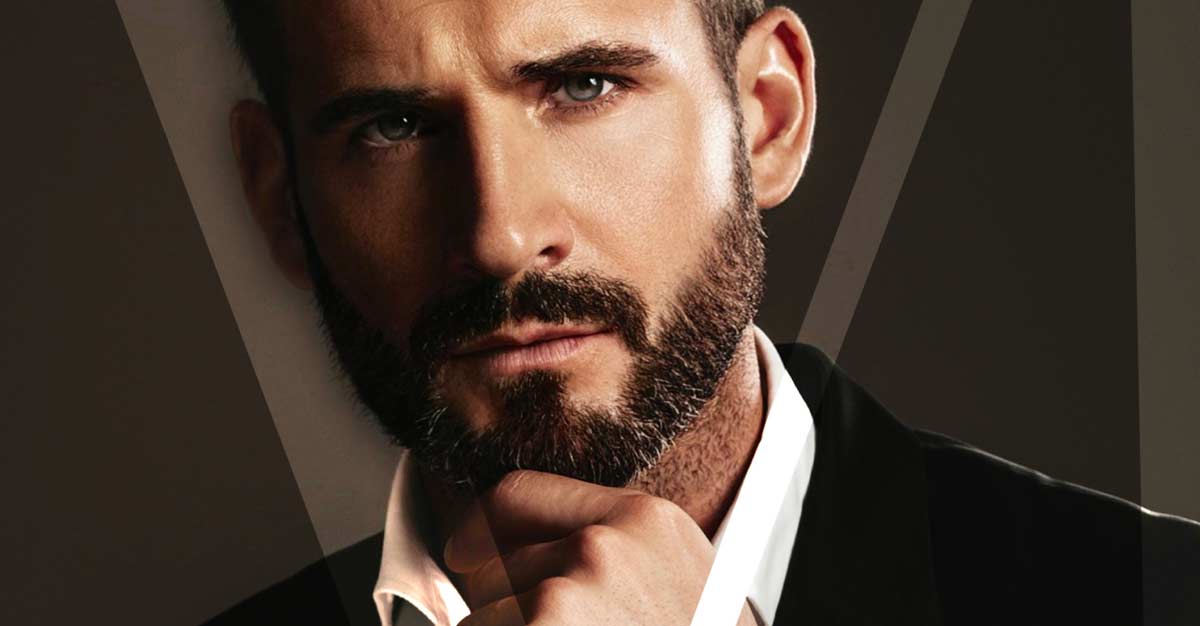
A little Botox. A stronger jawline. Some filler beneath the eyes. At first glance, aesthetic medicine for men might appear to be the same treatments performed on women; just in smaller numbers and perhaps with slightly different expectations. Anatomically, however, that approach can be a serious mistake. The male face is not simply a female face requiring less treatment. Bone structure, muscle mass, fat distribution, eyebrow position, hair patterns and even the way facial aging is perceived can differ between the sexes. As increasing numbers of men enter aesthetic clinics, specialists are confronting an important challenge: how do you make a man look fresher without inadvertently changing the characteristics that make his face look masculine? Sometimes, a few millimeters make the difference.
Masculinity Begins With Proportion
Before discussing injections, it helps to understand facial architecture. On average, male facial skeletons tend to demonstrate greater dimensions and different proportions in areas such as the brow ridge, chin and jaw. Male skin is also generally thicker and is influenced differently by androgen hormones. The lower third of the face is particularly important. A relatively broad, well-defined mandibular angle and projected chin are commonly associated with a more traditionally masculine appearance. In many female aesthetic treatments, by contrast, the goal may involve maintaining or creating a softer taper toward the chin. That means the same filler placement can produce very different aesthetic consequences. A technique that beautifully contours a woman’s lower face could make a man’s face appear narrower or softer than intended.
The Eyebrow Problem
The eyebrow provides one of the clearest examples of why male and female aesthetic treatment cannot simply follow the same template. A youthful female brow is often aesthetically associated with some degree of arch and elevation. Male eyebrows tend to sit lower and appear relatively straighter. Now introduce botulinum toxin. Relaxing particular forehead and brow muscles changes the balance of forces controlling eyebrow position. If injections designed around a female aesthetic pattern are reproduced in a man, the resulting brow shape can become overly elevated or arched.
The treatment may technically have removed the wrinkles. But the patient may look subtly unlike himself. Successful male Botox is therefore often less about achieving a completely smooth forehead and more about preserving the correct movement, weight and position of the brow. A few lines may sometimes look better than no lines at all.
Should Men Have Completely Smooth Foreheads?
This raises a larger question. When did the absence of wrinkles become the universal definition of successful aesthetic treatment?
For some men, horizontal forehead lines or mild crow’s feet contribute to expression and character. Eliminating every visible line can occasionally produce a result that feels strangely artificial even when the procedure has been technically well performed.
Modern aesthetic medicine is gradually moving away from treating individual wrinkles toward treating the face as a dynamic structure. The question is no longer simply: Where is the wrinkle? It is: What will happen to this person’s expression if we remove it? That distinction is particularly important in male faces.
The Jawline: Powerful but Easy to Overdo
Social media has turned the “male jawline” into an aesthetic obsession. Chin and jaw fillers can strengthen projection and definition in appropriately selected patients. But adding volume indiscriminately along the entire mandible can create an excessively heavy, geometric or unnatural lower face. Sometimes the problem is not insufficient bone projection at all.
It may be submental fat, skin laxity, enlarged masseter muscles or simply the person’s natural anatomy. Each requires a different strategy. For example, a patient with a small chin may benefit from projection. Another with adequate skeletal structure but excess tissue beneath the chin may achieve a better result by addressing that tissue rather than adding filler.
More jaw is not always a better jaw. Good male facial contouring depends on identifying what is actually disrupting the proportion.
The Chin May Matter More Than the Jaw
The chin is one of the most underestimated structures in facial aesthetics. Viewed from the side, its projection influences how the nose, lips, neck and jawline are perceived.
A retruded chin can make a normal nose appear larger. It can weaken the transition between the face and neck and alter overall facial balance.
This is why some patients who initially request rhinoplasty discover during facial analysis that their profile involves more than the nose alone.
In selected cases, changing chin projection; using filler, an implant or skeletal surgery depending on the situation; can significantly alter facial harmony. It is a reminder of an important principle: We do not perceive facial features independently. We perceive relationships between them.
Men Lose Facial Volume Too; but Replacement Is Different
Facial aging involves changes in bone, fat compartments, ligaments and skin in both men and women. Temples can hollow. Midface volume changes. The area beneath the eyes can become more pronounced. The jawline loses definition. Yet replacing volume without respecting male facial geometry can create unwanted fullness. In particular, excessive anterior cheek projection can produce a rounded appearance that may not suit a patient’s underlying masculine structure. This is where modern filler treatment has become more anatomical. Rather than asking “Where can we add volume?”, experienced practitioners increasingly ask: Where was structural support lost, and how little do we need to restore it? The difference sounds small. Visually, it can be enormous.
The Beard Is an Aesthetic Structure
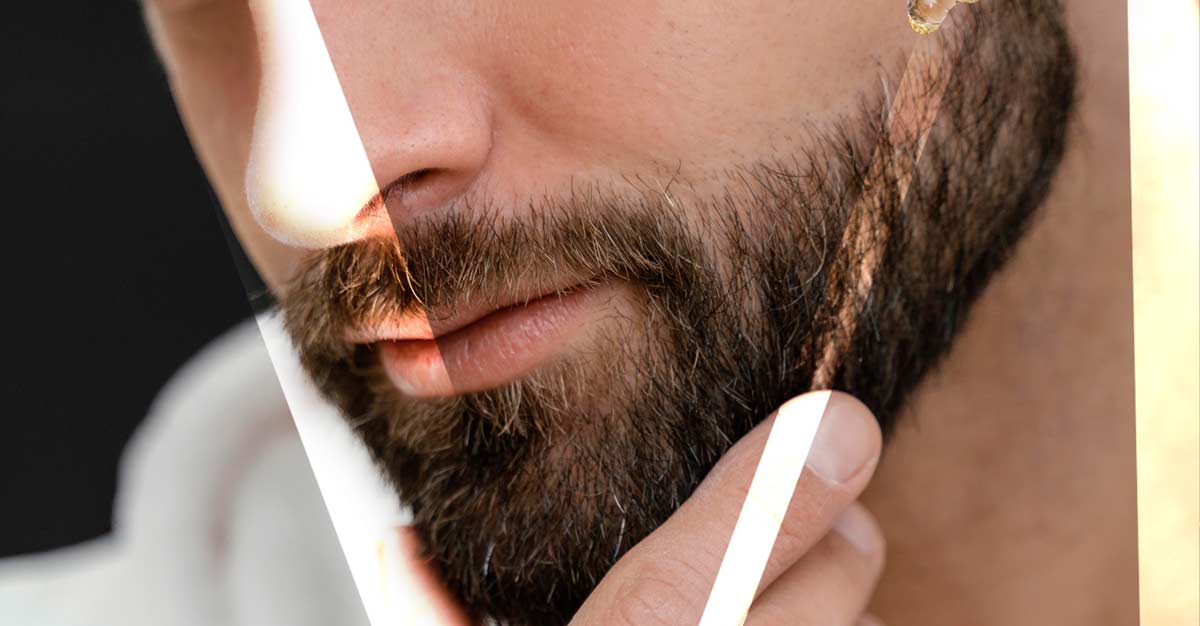
There is another feature almost entirely absent from traditional facial-aesthetic textbooks: facial hair. A beard can alter the apparent shape of the jaw, chin and lower face dramatically. It can camouflage asymmetry, increase the visual width of the lower face or create the illusion of stronger chin projection.vConversely, patchy beard growth or changes in facial-hair density may affect how men perceive their appearance. This means assessment of the male lower face ideally considers whether the patient normally wears facial hair. Treating a clean-shaven face and designing a face that will normally sit behind a dense beard are not necessarily the same aesthetic exercise.
Then There Is the Hairline
Few features influence perceived male age as powerfully as hair. Temporal recession can visually enlarge the forehead and change the proportions of the upper third of the face. Advanced hair loss can transform the apparent shape of the head itself. This is one reason the boundaries between facial aesthetics and hair restoration are beginning to blur. A patient may spend considerable time and money rejuvenating his skin while ignoring the feature contributing most strongly to his perception of aging. For some men, the most effective facial rejuvenation procedure may therefore happen above the face.
Men Are Asking for Aesthetic Treatments Differently
Historically, aesthetic medicine was marketed overwhelmingly toward women. That is changing.
Men increasingly seek injectables, skin treatments, body contouring, hair restoration and surgery. But their language may be different. Many do not arrive asking to look “younger.”
They may say: I look tired. My jaw disappeared. I look angry. I don’t look like I used to. Those statements are revealing. The objective may not be obvious rejuvenation but restoration of energy, definition and facial identity. This can require restraint.
The Danger of the Template Face
Perhaps the most important lesson applies to women and men alike. Social media has created remarkably standardized ideas of attractiveness: certain cheekbones, certain lips, a certain jawline, a certain nose. But faces are not templates. Sex, ethnicity, age, skeletal anatomy and individual character all influence what looks harmonious. The best aesthetic result may therefore be the one that is hardest to identify.
Not the strongest jaw.
Not the smoothest forehead.
Not the most sculpted cheek.
But a face that looks rested, balanced and recognizably its own.
For men entering aesthetic medicine, that principle is particularly important. Because successful treatment should not make every male face conform to one definition of masculinity. It should understand the anatomy already there. Then know what to change; and, perhaps more importantly, what to leave alone.