




29 May SCOLA Tummy Tuck: A Gentle Approach to a Flatter Stomach
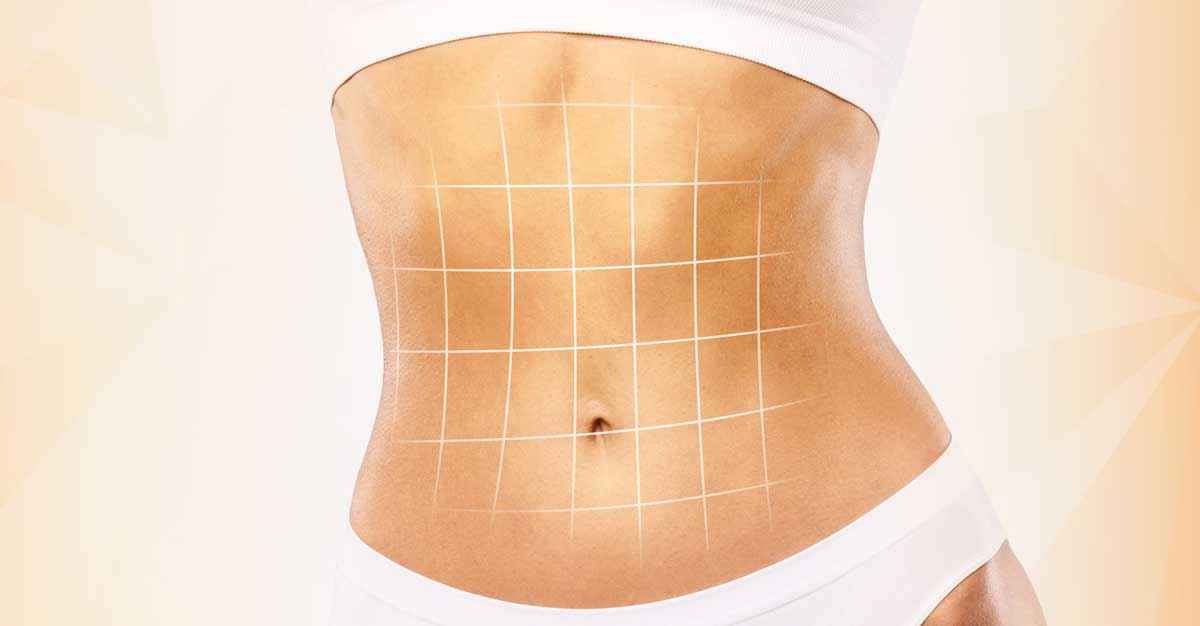
Not all tummy tucks are created equal, especially if you’re looking for a more refined, less invasive way to tighten your abdomen without the long recovery or prominent scarring of traditional surgery. That’s where the SCOLA technique comes in.
Short for Subcutaneous Conservative Limited Access, SCOLA is a minimally invasive tummy tuck designed for people who have loose abdominal muscles or stubborn belly fat, but not a lot of excess skin. It’s especially popular among women after pregnancy or patients who want abdominal contouring without the downtime of a full abdominoplasty.
How It Works
Instead of a large incision, the SCOLA technique uses a short, discreet cut just above the pubic line. Through this small opening, the surgeon can:
- Tighten the abdominal muscles using endoscopic tools (ideal for diastasis recti),
- Remove excess fat with liposuction,
- And gently contour the midsection, all without fully lifting or cutting large sections of skin.
Because it’s less invasive, less skin is removed, and healing is usually faster and easier than with a full tummy tuck.
“SCOLA allows us to correct abdominal wall laxity and reshape the midsection through a tiny access point. It’s an excellent option for patients who don’t need major skin removal but still want visible, natural-looking results.” A board-certified plastic surgeon
Who Is It For?
SCOLA is ideal if:
- You have moderate belly fat and muscle laxity, but your skin is still fairly firm,
- You’ve experienced abdominal stretching from pregnancy or weight changes,
- You want a quicker recovery and minimal scarring.
What Type of Anesthesia Is Used?
The SCOLA procedure is typically performed under general anesthesia or deep sedation, depending on the extent of the muscle repair and fat removal. Your surgeon will determine the best option for your safety and comfort.
Are There Any Risks?
While SCOLA is less invasive than a traditional tummy tuck, it’s still a surgical procedure and carries potential risks, including:
- Bruising and swelling
- Seroma (fluid accumulation)
- Infection
- Asymmetry or irregular contour
- Temporary numbness in the lower abdomen
- Scarring, though usually minimal
Choosing a qualified, board-certified plastic surgeon minimizes these risks and ensures better outcomes.
Post-Procedure Care
Recovery after SCOLA is generally smoother than with a full abdominoplasty. Here’s what to expect:
- Compression garments are usually worn for several weeks to reduce swelling and support healing.
- Mild discomfort or tightness can be expected and managed with prescribed medication.
- Most patients can return to light activities within 7–10 days, and more strenuous activities after 4–6 weeks.
- Following your surgeon’s aftercare instructions is essential for optimal results.
The Takeaway
The SCOLA tummy tuck offers a modern, less aggressive approach to abdominal contouring. For the right patient, it strikes the perfect balance between effectiveness, comfort, and a natural-looking result, without the extended recovery time of more invasive procedures.
Check out the latest in body plastic surgery by clicking here!