




04 Sep Fat: The Most Natural Filler?
Why Plastic Surgeons Are Rediscovering One of the Body’s Most Valuable Resources
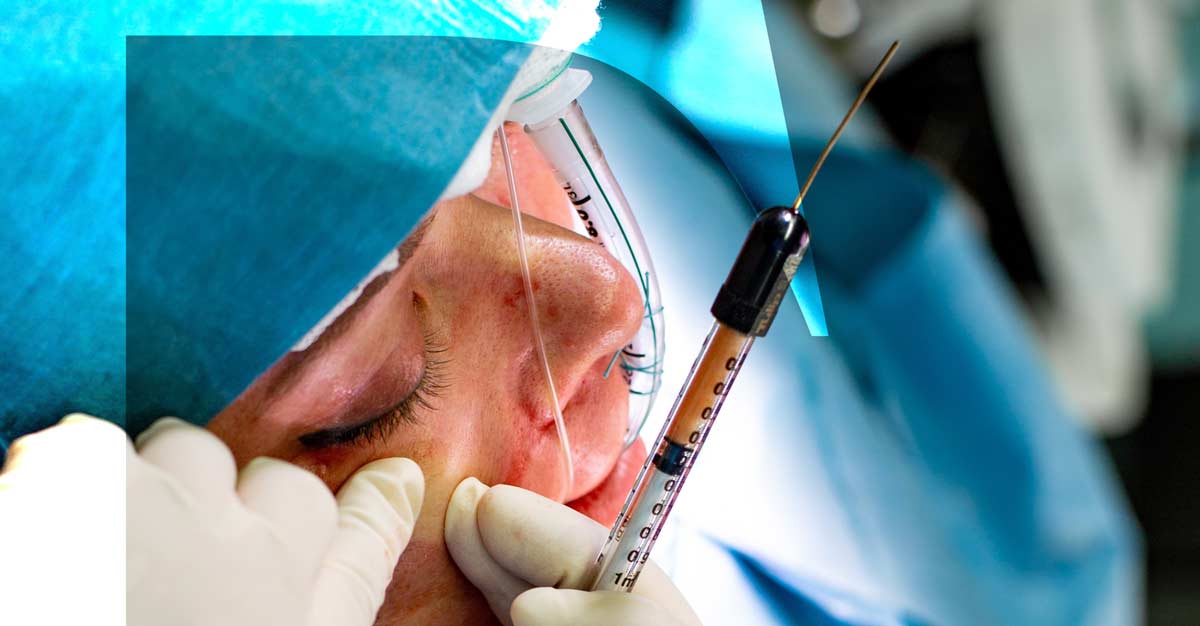
For decades, fat was viewed as something to remove. Liposuction became one of the world’s most popular cosmetic procedures, with unwanted fat discarded after surgery. Today, that same tissue is being viewed through an entirely different lens. Modern plastic surgery recognizes fat as far more than a source of excess volume. It is living tissue that can restore facial contours, improve skin quality, soften scars, and rejuvenate areas affected by aging. In many cases, the body’s own fat has become one of the most natural and versatile tools available for facial and body rejuvenation. The philosophy is simple: instead of replacing lost volume with a synthetic material, why not use the patient’s own tissue?
Aging Is Also About Volume Loss
One of the biggest misconceptions about facial aging is that wrinkles are the main problem. In reality, much of what makes a face appear older is the gradual loss and redistribution of fat beneath the skin. The cheeks flatten, the temples become hollow, the tear trough deepens, and facial contours lose support. As these changes occur, the face may appear tired or drawn even before significant wrinkles develop. Restoring this lost volume is therefore an essential part of modern facial rejuvenation.
What Is Fat Grafting?
Fat grafting, also known as fat transfer or lipofilling, involves removing small amounts of fat from one area of the body; commonly the abdomen, flanks, or thighs; processing it carefully, and reinjecting it into areas requiring volume restoration. Because the transferred fat comes from the patient’s own body, it is naturally compatible and carries no risk of allergic reaction. When performed correctly, some of the transferred fat establishes a new blood supply and becomes a living part of the treated area, allowing results to evolve naturally with the patient.
More Than Volume
One reason fat grafting has gained popularity is that its benefits may extend beyond simply replacing lost volume. Fat contains regenerative cells and bioactive components that are believed to contribute to improved tissue quality. Many patients notice not only fuller contours but also healthier-looking skin, improved softness, and better overall texture in treated areas. Although research into the regenerative properties of fat continues to evolve, these observations have helped position fat grafting at the intersection of plastic surgery and regenerative medicine.
Where Is Fat Used?
Fat transfer has become an important technique in many areas of aesthetic surgery. In the face, it may be used to restore volume to the cheeks, temples, jawline, lips, chin, and under-eye region in carefully selected patients. Beyond facial rejuvenation, fat grafting is widely used in breast surgery to refine contour, improve symmetry, or provide modest volume enhancement. It also plays an important role in correcting contour irregularities after previous procedures. On the body, fat transfer is frequently used to enhance the buttocks, improve the appearance of the hands, and soften depressed scars. Its versatility makes it one of the most valuable tools in modern reconstructive and aesthetic surgery.
Fat Grafting vs. Dermal Fillers
Patients often ask whether fat transfer is better than dermal fillers. The answer depends entirely on the individual. Hyaluronic acid fillers offer immediate results, require no harvesting procedure, and are ideal for treating smaller areas with precision. Fat grafting involves a surgical procedure but can restore larger volumes using living tissue from the patient’s own body. Because some transferred fat survives permanently while some is naturally reabsorbed, surgeons often plan treatments with this in mind. Rather than competing with one another, fat grafting and fillers are complementary techniques. Each has unique advantages, and many patients benefit from a combination of both over time.
The Importance of Surgical Expertise
Fat grafting is both an art and a science. Successful outcomes depend on careful harvesting, gentle processing, precise placement, and an in-depth understanding of anatomy. Small differences in surgical technique can significantly influence how much fat survives and how natural the final result appears. For this reason, patient evaluation, meticulous technique, and realistic expectations remain essential.
Is Fat Forever?
One of the most common questions concerns longevity. Not all transferred fat survives. During the first few months after surgery, a portion is naturally reabsorbed by the body. The fat that successfully develops a new blood supply, however, can remain for many years and age naturally alongside surrounding tissues. Changes in body weight may still influence the appearance of transferred fat, making long-term weight stability an important part of maintaining results.
A Natural Future
As aesthetic medicine continues to evolve, the emphasis is shifting toward treatments that work with the body’s own biology. Fat grafting reflects this philosophy perfectly. Rather than simply filling a space, it restores living tissue, supports facial harmony, and integrates naturally with the surrounding anatomy. Combined with regenerative procedures, advanced skincare, healthy nutrition, and thoughtful surgical planning, fat transfer has become an important part of modern longevity-focused aesthetic care. Because sometimes the most sophisticated innovation isn’t something created in a laboratory. It’s learning how to make better use of what nature has already given us.