




04 Sep Eyes Never Lie
Why the Eye Area Is Often the First to Reveal Aging; and How Modern Medicine Is Changing the Way We Treat It
Long before wrinkles deepen
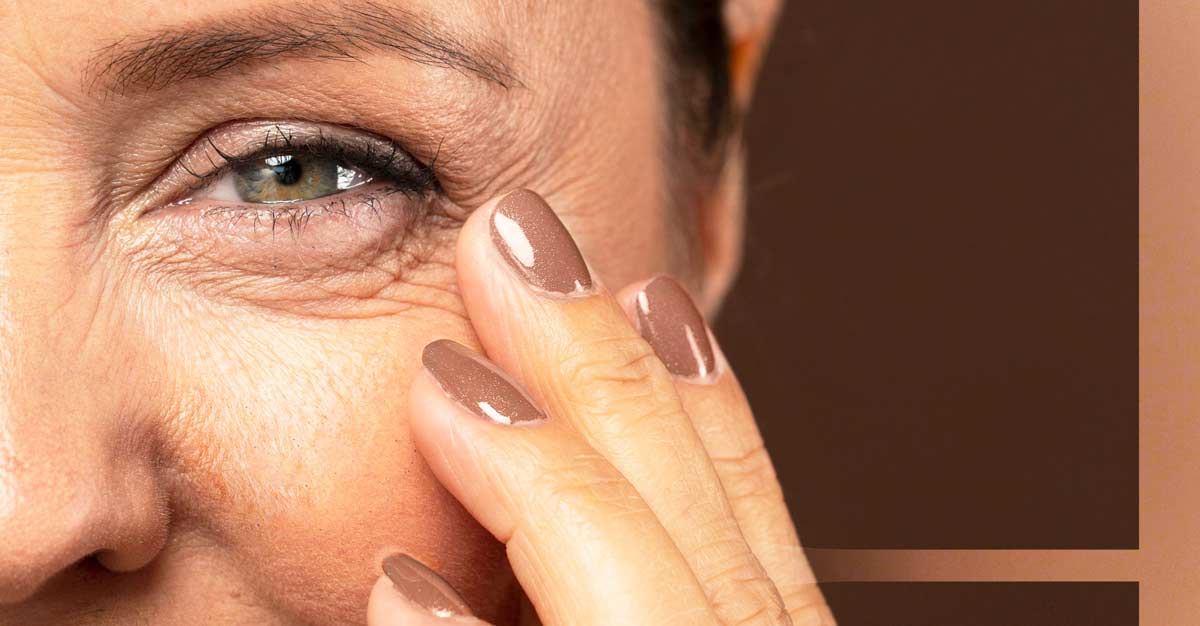
across the face or the jawline begins to soften, the eyes often tell the first story of aging. They reveal sleepless nights, stress, sun exposure, genetics, and the gradual biological changes that occur over time. Dark circles, puffiness, hooded eyelids, fine lines, and hollow tear troughs can make a person appear tired or older; even when they feel energetic and well. It is no surprise, then, that the eye area has become one of the most requested regions for aesthetic treatment. But modern facial rejuvenation is no longer about simply removing excess skin. Today’s approach is far more precise, focusing on preserving the natural beauty of the eyes while respecting their delicate anatomy.
Why Do the Eyes Age First?
The skin around the eyes is the thinnest on the body, making it especially vulnerable to the effects of aging. Every smile, blink, and facial expression places repeated movement on this delicate tissue. Over time, collagen and elastin production decline, skin becomes thinner, and the supportive structures beneath the eyes gradually weaken. At the same time, fat pads may shift or protrude, creating under-eye bags, while volume loss in the surrounding tissues can produce hollowing that accentuates shadows and dark circles. Genetics also play a significant role, meaning some people develop these changes much earlier than others.
It’s Not Just About Wrinkles
One of the biggest misconceptions is that every tired-looking eye requires the same treatment. In reality, the causes of eye aging are remarkably diverse.
Some people struggle with excess upper eyelid skin that creates a heavy appearance or even interferes with vision. Others develop puffiness caused by protruding fat pads beneath the eyes, while many experience volume loss that creates hollow tear troughs and deep shadows. Pigmentation, thin translucent skin, and visible blood vessels can also contribute to the appearance of dark circles. The eyes tell different stories; and each one requires a different solution.
This is why a personalized medical assessment is essential before selecting any treatment.
Prevention Starts Earlier Than Most People Think
Eye rejuvenation doesn’t begin in the operating room. It begins with daily habits. Consistent sun protection, wearing sunglasses, avoiding smoking, getting adequate sleep, maintaining good hydration, and following a balanced diet all help preserve collagen and reduce oxidative stress.
Medical-grade skincare can also play an important role. Ingredients such as retinoids, peptides, antioxidants, growth-factor-supporting formulations, caffeine, and hyaluronic acid may help maintain skin quality, improve hydration, and reduce early signs of aging when used appropriately. The goal is not perfection. It is preservation.
When Non-Surgical Treatments Can Help
For patients with mild to moderate signs of aging, non-surgical treatments may offer meaningful improvements. Regenerative therapies such as polynucleotides, platelet-rich plasma (PRP), and selected skin boosters are increasingly used to improve hydration, stimulate collagen production, and enhance skin quality around the eyes. Energy-based devices; including fractional lasers, radiofrequency microneedling, and carefully selected ultrasound technologies; can stimulate collagen remodeling while improving fine lines and skin texture. For carefully selected patients with hollow tear troughs, hyaluronic acid fillers may restore lost volume and soften shadows. However, because the under-eye region is one of the most anatomically complex areas of the face, these treatments require extensive expertise and should only be performed by experienced injectors. Rather than replacing surgery, these treatments often delay the need for more invasive procedures or complement surgical results.
When Surgery Becomes the Best Option
There comes a point when skincare, injectables, and devices are no longer enough to correct structural aging. When excess upper eyelid skin causes heaviness or significantly changes the natural contour of the eyes, upper blepharoplasty can restore a brighter, more open appearance by removing carefully measured excess skin while preserving natural expression. Lower blepharoplasty has also evolved significantly. Instead of removing under-eye fat, modern surgeons often reposition or redistribute it to smooth the transition between the eyelid and the cheek. This preserves volume, reduces hollowing, and creates softer, more natural-looking results. The philosophy has shifted from removal to preservation.
Looking Beyond the Eyelids
The eyes should never be evaluated in isolation. The eyebrows, forehead, temples, cheeks, and skin quality all influence how youthful; or tired; the eyes appear. Sometimes lifting the brows creates a more refreshed appearance than operating on the eyelids. In other cases, restoring cheek support softens the lower eyelid without directly treating it. Modern facial rejuvenation considers the face as a whole rather than treating one feature in isolation. The objective is harmony.
Less Is More
Perhaps nowhere in aesthetic medicine is restraint more important than around the eyes. The goal is not to erase every fine line or eliminate every shadow. Small wrinkles reflect expression. Gentle movement reflects emotion. These natural characteristics are part of what makes every face unique. Overcorrection can leave the eyes looking unnatural or expressionless. The best eye rejuvenation is often the one that goes unnoticed. People simply say, “You look rested.”
The Eyes Reflect Overall Health
The condition of the eyes often mirrors what’s happening inside the body. Poor sleep, chronic stress, smoking, dehydration, nutritional deficiencies, and prolonged sun exposure frequently become visible around the eyes long before they affect other parts of the face. Conversely, a healthy lifestyle; regular exercise, balanced nutrition, adequate hydration, quality sleep, and effective stress management; supports healthier skin, better circulation, and improved tissue repair. The eyes don’t simply reveal age.
The Future of Eye Rejuvenation
Eye rejuvenation is becoming increasingly personalized. Rather than relying on a single procedure, physicians now combine surgery, regenerative medicine, energy-based devices, advanced skincare, and lifestyle optimization according to each patient’s anatomy and stage of aging. The goal is no longer to make the eyes look younger. It is to help them continue expressing vitality, health, and natural beauty for years to come. Because beautiful eyes are not defined by perfection. They are defined by authenticity. And perhaps that’s why, after all… Eyes never lie.