



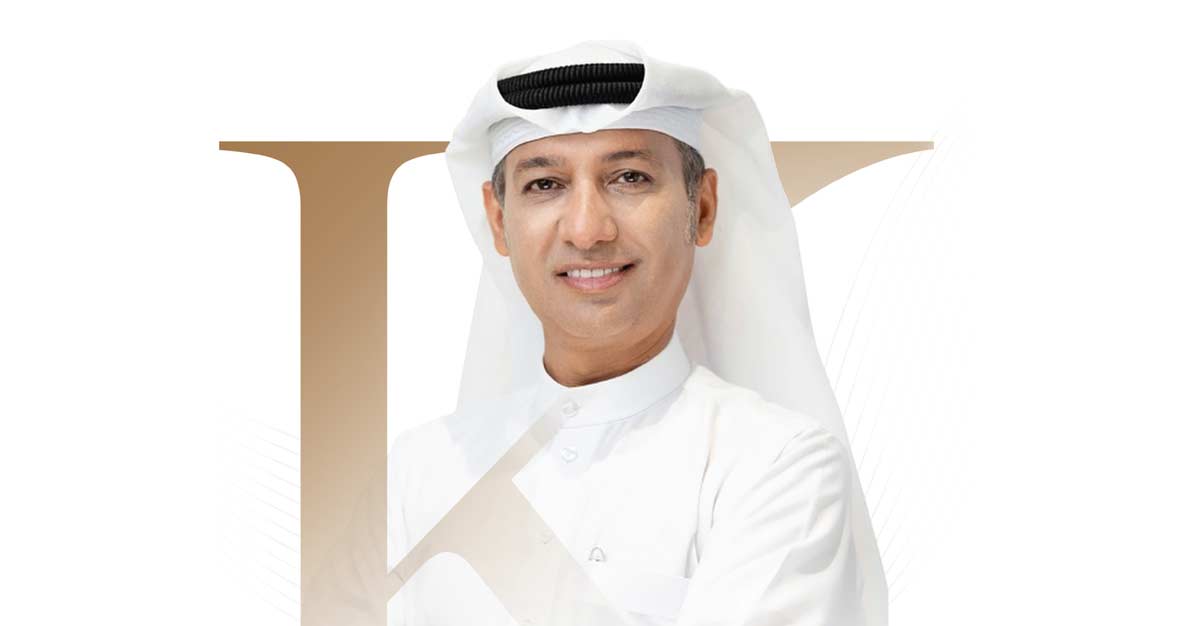
20 Oct Dr. Khaled Al Nuaimi
Redefining Aesthetics in the Middle East: A Visionary Conversation with Dr. Khaled Al Nuaimi
Dermatology and aesthetic medicine have undergone extraordinary transformations over the past two decades, from the arrival of biological therapies that redefined treatment of chronic skin diseases to the global rise of aesthetics under strict medical supervision. At the heart of this evolution in the Middle East stands Dr. Khaled Al Nuaimi, MD, President of the Middle East International Dermatology & Aesthetic Medicine (MEIDAM) Association. A visionary leader and passionate advocate for unity among dermatology societies, Dr. Al Nuaimi has been instrumental in positioning the region as a global hub for education, collaboration, and innovation. In this interview with Plastic & Aesthetic Magazine, he shares his personal journey, the story behind MEIDAM’s rise, and his vision for the future of dermatology worldwide.
Could you tell us a little about your journey, how you came to specialize in dermatology and aesthetic medicine?
Twenty years ago, dermatology was not regarded as one of the most attractive medical specialties. But for me, it was never about prestige, it was about inspiration. I had the privilege of meeting and learning from Dr. Ahmed Al Issa, one of the leading dermatologists in Saudi Arabia and in the region. Watching his lecture was a turning point for me. His passion and excellence convinced me that I had to become a dermatologist.
That inspiration set me on my path. I completed my training and graduated from the Arab Board of Dermatology, after which I began my career as a military doctor. I rose to become Head of Department, and later transitioned to the private sector after retirement. Throughout those years, I attended conferences, scientific meetings, and international congresses. As young dermatologists at the time, we realized something was missing: a platform of an international standard that represented our region globally.
This vision of unity and representation is what ultimately led to the birth of MEIDAM.
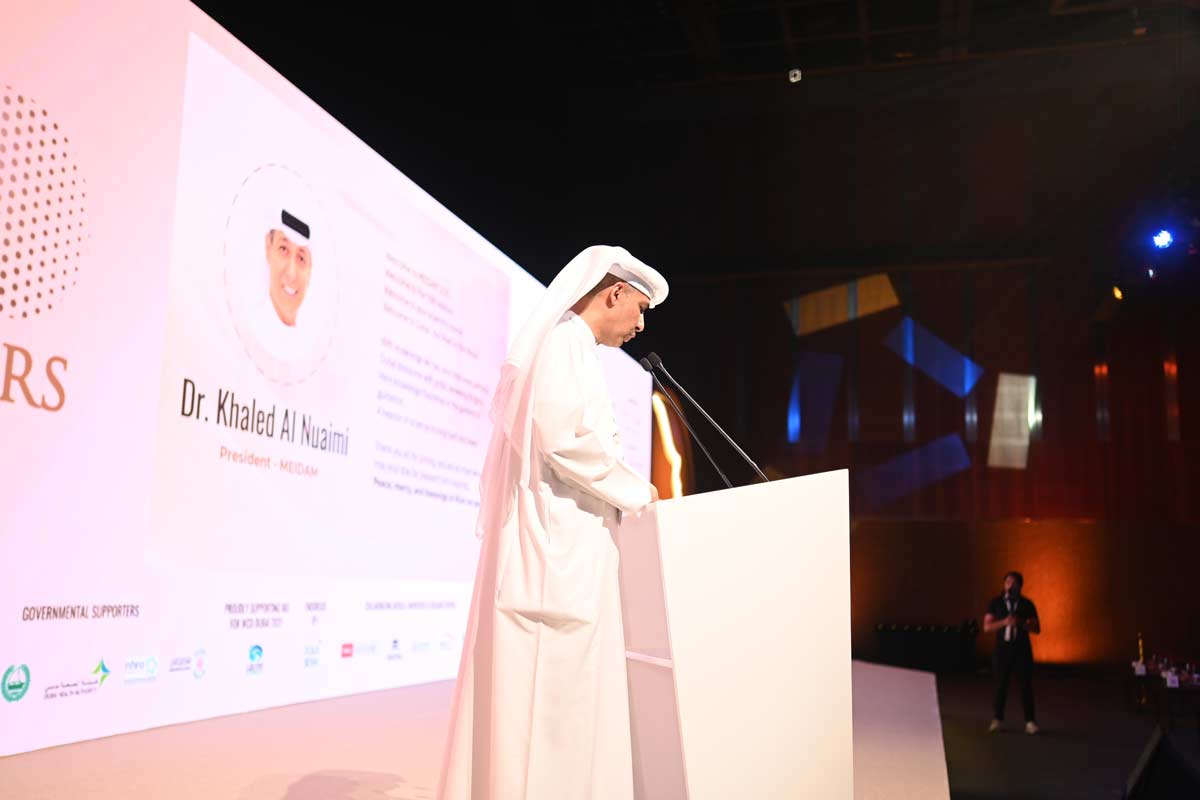
How did MEIDAM evolve from an idea into an internationally recognized platform?
The first step was to bring together the GCC societies. The Saudi Society was the first to support this initiative, followed by Oman and other Gulf countries. Once the foundation was laid, the concept expanded to include all Arab dermatology societies.
One of the major challenges was the inclusion of colleagues from North Africa, particularly Morocco, Algeria, and Tunisia, where French is the primary language of communication. Because of this barrier, they initially stayed away. But we knew unity was essential, so we worked hard to bridge the gap. Eventually, we succeeded in bringing them on board, creating a truly pan Arab platform.
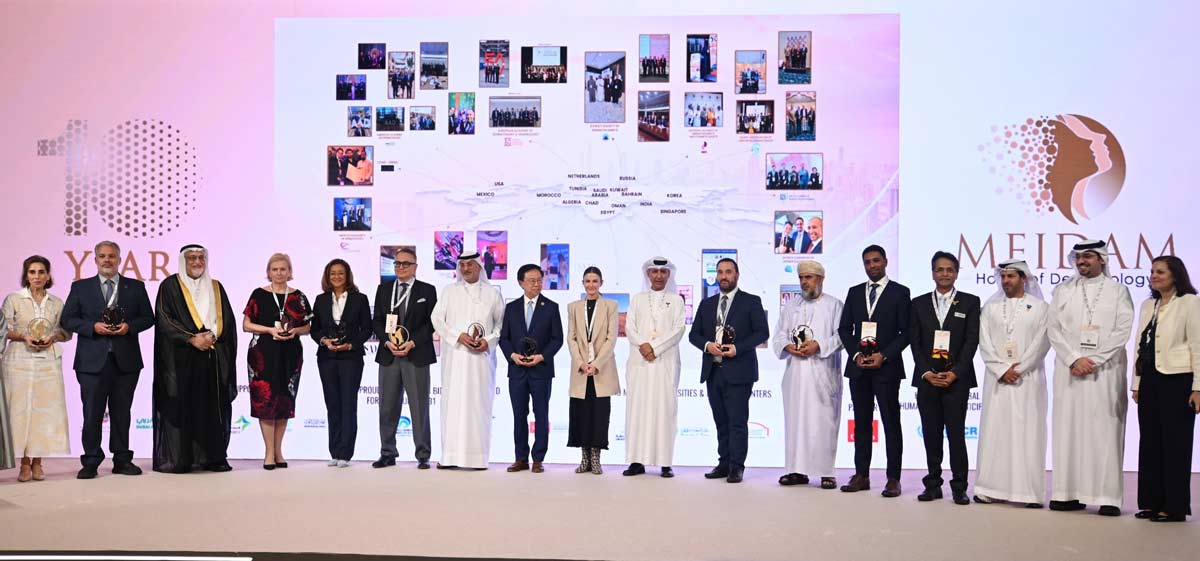
From there, MEIDAM grew into an internationally recognized educational hub. Today, we are proud to have scientific sessions in the American Academy of Dermatology, the European Academy of Dermatology and Venereology, and other global institutions. This recognition validates the vision we started with: that through the unity of societies, we could create a platform that elevates our profession on the global stage.
Our slogan, “The Power of We”, reflects this philosophy. MEIDAM is not about one person. It is about collaboration, knowledge sharing, and empowering the young generation of dermatologists to improve the quality of care for patients across the region.
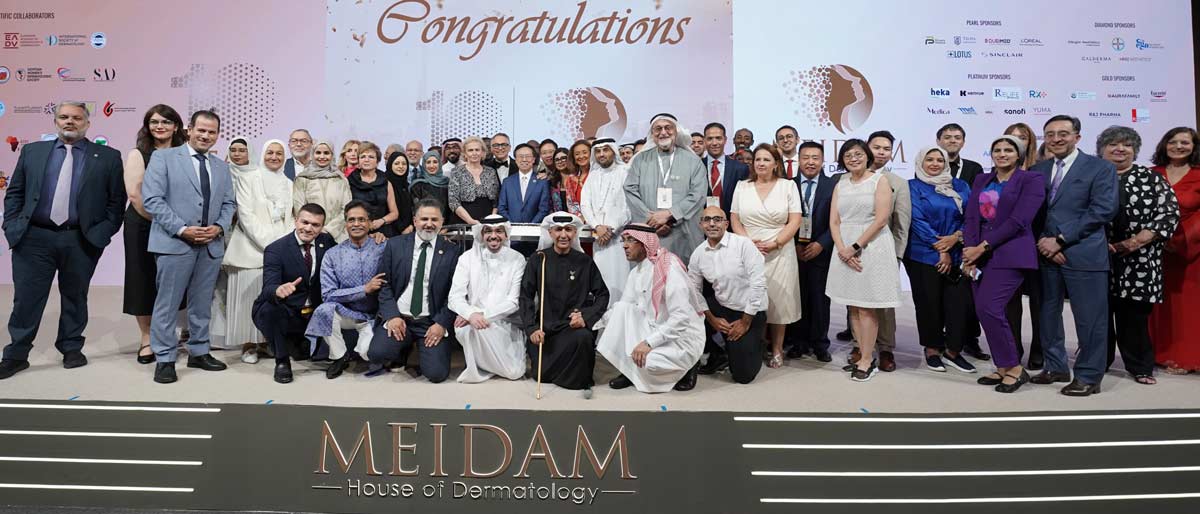
MEIDAM has become one of the largest scientific gatherings in dermatology. How do you see its position today?
If we speak scientifically, not in terms of exhibition size but purely scientific content, MEIDAM is now the largest dermatology congress in the Middle East and Africa. On a global scale, it ranks among the top three to four events after the American and European Academies.
Even more importantly, MEIDAM has become the largest gathering of dermatology societies worldwide. Today, we are joined not only by colleagues from the Arab region, but also societies from South Korea, Central Asia, Russia, Latin America, and Africa. This has positioned Dubai, and by extension the region, as a global hub for education in dermatology and aesthetics. Beyond the congress itself, MEIDAM offers educational activities year-round. With the support of our sister societies, we run programs for residents, continuous medical education for physicians, and even patient awareness initiatives.
We are also deeply committed to humanitarian work. MEIDAM has an official partnership with the United Nations High Commissioner for Refugees (UNHCR). Through our campaigns, we have directly changed the lives of more than 320 refugees in the region. Promoting the culture of “giving back” is very important to us, and I am proud that MEIDAM has become a vehicle for that.
How has the field of dermatology, both medical and aesthetic, transformed during your career?
The evolution has been extraordinary. If you asked me 20 years ago whether we could cure or even fully control diseases like psoriasis, the answer would have been discouraging. Many resistant cases left us with very limited tools. But with the advent of biological treatments, we can now achieve near 100 percent clearance for many patients. The same revolution is happening in atopic dermatitis, with the emergence of JAK inhibitors. In the near future, we expect similar breakthroughs for vitiligo. These innovations have transformed patient outcomes and given us a new level of confidence in managing chronic skin diseases. At the same time, the aesthetic field is booming. We at MEIDAM believe strongly that aesthetics must remain under the umbrella of dermatology. As physicians, we prioritize safety, evidence-based protocols, and ethical practice. When aesthetic procedures are conducted scientifically, under medical supervision, patients enjoy better results and fewer complications. This is why we advocate for dermatologists to lead the aesthetic field.
What role do you see for Artificial Intelligence in dermatology and aesthetics?
The impact is already visible, and it is huge. In aesthetics, we see AI-driven devices providing smarter and more precise results. In dermatology, AI-powered software helps in diagnosis, treatment planning, and management, making doctors’ work more efficient and patients’ care more personalized.
But let me be clear: AI is a tool, not a replacement. It will not replace doctors. Rather, it will empower them to make better decisions and create more effective treatment plans.
Looking ahead, I believe medicine is on the brink of a rebirth. With AI, robotics, and new treatment modalities, the next ten years will transform how we practice. Already, we see doctors in one part of the world conducting procedures remotely on patients thousands of kilometers away with robotic systems like Da Vinci. These innovations will only grow stronger, and dermatology will evolve alongside them.
You often emphasize the importance of doctors on social media. Why is this a priority for you?
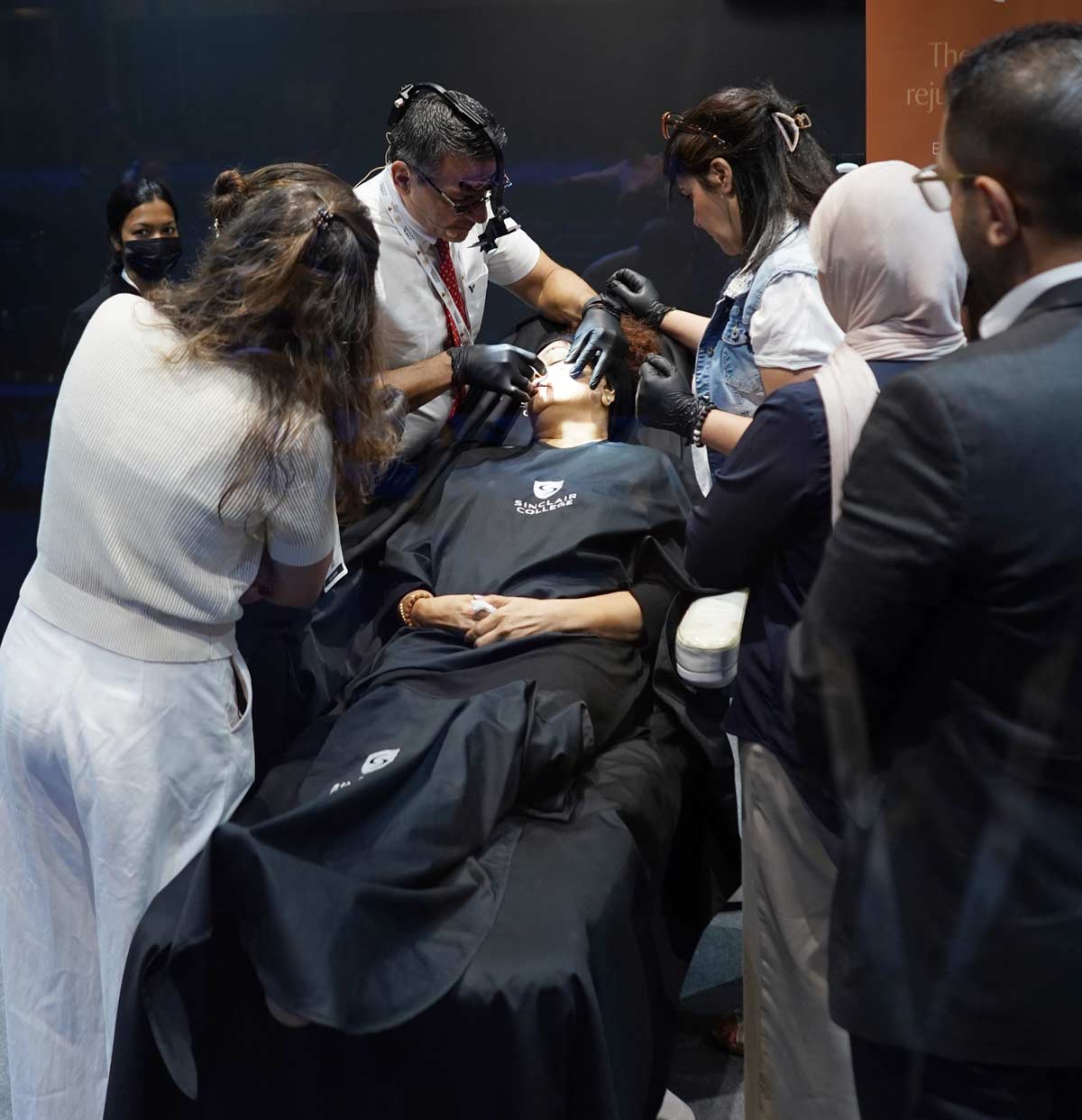
Because misinformation is rampant, patients today are bombarded by influencers and non-specialists promoting cosmetic products or even medical claims that are not backed by evidence. This is dangerous. The only way to counter it is to ensure that real experts have a strong digital presence. By being active on social media, dermatologists can share evidence-based knowledge, educate the public, and offer a reliable counterbalance to misinformation. I encourage my colleagues to step into this space. It is no longer optional. It is a responsibility.
MEIDAM has also expanded internationally. Could you tell us about these initiatives?
Yes, we recently launched MEIDAM Africa, which was a tremendous success. English and French-speaking societies from across the continent gathered in Morocco, and next year we will return to Marrakesh. The response was overwhelmingly positive. Even colleagues from outside Africa were eager to join.
This reflects MEIDAM’s ability to bridge gaps, share knowledge, and bring people together. We are now exploring similar versions in Asia, Latin America, Russia, and Europe. Each of these will carry forward our vision of uniting dermatology professionals worldwide under one educational and scientific umbrella.
Equally important, we are preparing future leaders of MEIDAM. Young dermatologists are already stepping into leadership roles, ensuring continuity of the mission and sustaining the legacy of what we have built together.
What is your vision for the next decade of dermatology and for MEIDAM’s role in it?
Dermatology is changing at an unprecedented pace. New drugs, new devices, and new digital technologies are reshaping our practice. Over the next decade, medicine will be reborn. With the right tools, doctors will provide safer, more effective, and more personalized care than ever before. For MEIDAM, our vision is to remain at the center of this transformation, uniting societies, supporting education, promoting humanitarian values, and ensuring that the Middle East continues to be recognized as a global hub for dermatology and aesthetic medicine. At the end of the day, it all comes back to our philosophy: “The Power of We.” Together, we can shape the future of our profession for our colleagues, for our patients, and for the generations
to come.
Dr. Khaled Al Nuaimi’s journey reflects the spirit of MEIDAM itself: inspired leadership, collective vision, and a deep commitment to both science and humanity. Today, MEIDAM is not only a congress but a global movement, one that unites dermatology professionals under a shared mission of knowledge, innovation, and care.