




06 Nov Dr. Joe Khalife
The Art of Combination: Dr. Joe Khalife on the New Era of Aesthetic Synergy
In the ever-evolving world of aesthetic medicine, harmony has become the new standard. Gone are the days when a single syringe or device defined rejuvenation. Today, achieving natural, radiant beauty is about combining technologies, techniques, and vision.
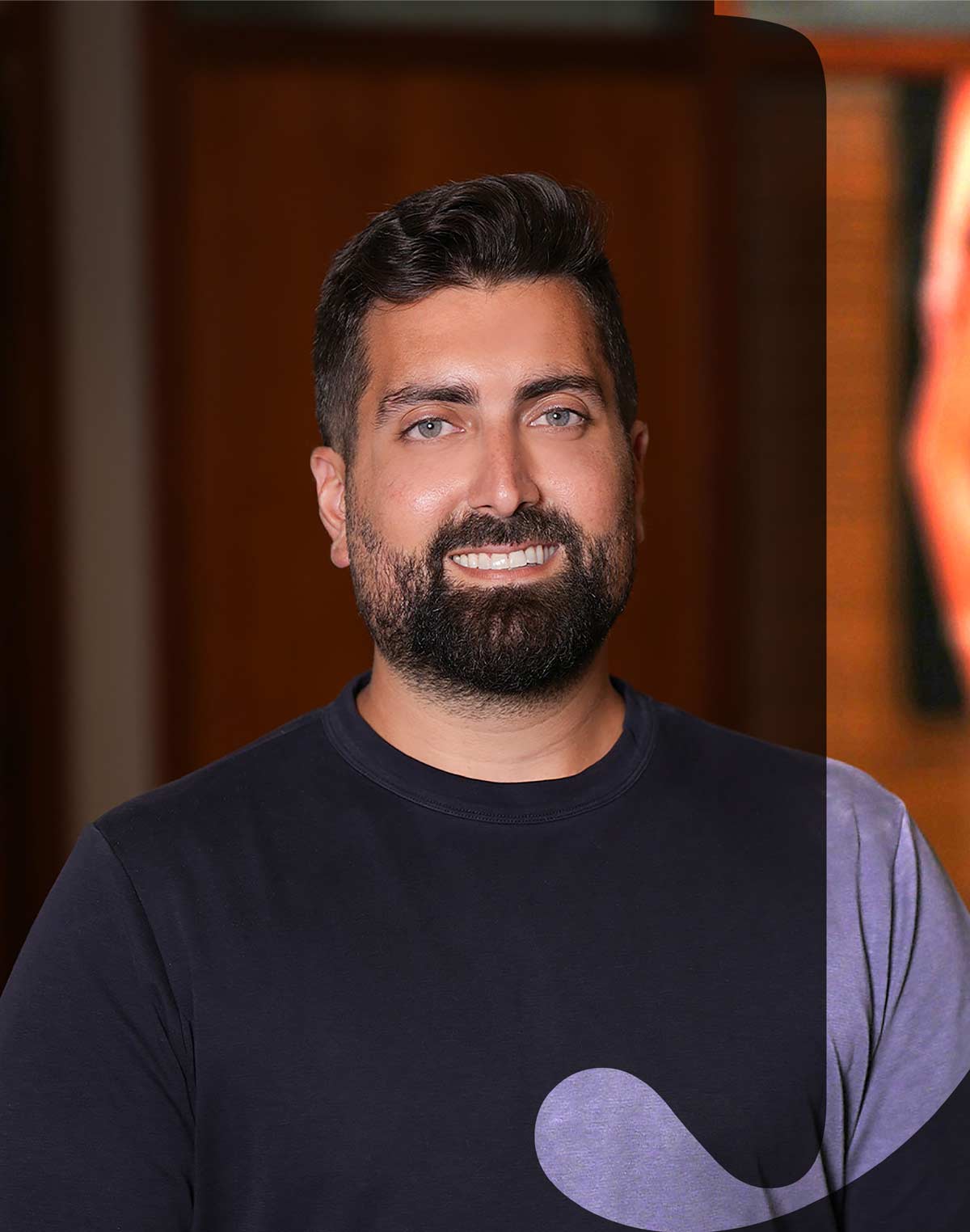
At the forefront of this philosophy is Dr. Joe Khalife, a Lebanese aesthetic doctor whose calm precision and artistic touch have positioned him among the new generation of aesthetic leaders. Known for his balanced, customized approach, Dr. Khalife believes that beauty is not about perfection, but proportion, personalization, and understanding the individuality of each face.
In this exclusive interview with Plastic & Aesthetic Magazine, he shares his journey, insights, and the secrets behind combination therapy, the new gold standard in aesthetic medicine.
Dr. Khalife, tell us about your background and how your journey into aesthetic medicine began?
Since I was around fourteen or fifteen, I knew that this was what I wanted to do. I used to watch aesthetic and plastic surgery videos online, fascinated by how small details could completely transform someone’s confidence.
That passion never faded. I studied General Medicine at the Holy Spirit University of Kaslik (USEK) in Lebanon, and later specialized in Aesthetic Medicine at the Collège International de Médecine Esthétique (CIME) in Paris. From the beginning, my goal was clear to become an aesthetic doctor. Every step I took in my medical studies led me here, and today I feel fulfilled doing what I love.
Combination treatments have become the new standard in aesthetic medicine. Why are they so important today?
Because there is no single treatment that can do it all. Years ago, we relied mainly on fillers to add volume and correct certain areas. Now, people want something different. They want to look fresh, youthful, and healthy, not overdone.
That’s where combination therapy comes in. By mixing bio-stimulators, injectables, and skin-tightening technologies, we can address multiple layers of the skin and create results that are natural and long-lasting. It’s not about doing more; it’s about doing what works together in harmony.
How do you design a treatment plan for each patient?
Every face is unique, so I never follow a fixed formula. I start with a full assessment, working from the upper to the lower face, and then I create a personalized plan. This includes what to do, when to do it, and what the patient can expect.
I never focus on one feature alone. You cannot make the lips perfect if the rest of the face looks tired. My philosophy is simple: work on the face as a whole, because true beauty comes from overall balance.
Do you believe in perfection when it comes to beauty?
Perfection is subjective. What is perfect for one person may not be for another. A few fine lines or natural asymmetries can actually make a face more beautiful and real. When I assess a patient, I rely on guidelines and anatomy, but the patient’s perception is what matters most. If someone loves a certain feature about themselves, even if it goes against “textbook perfection,” I respect that. Aesthetic medicine is not about erasing identity, it’s about enhancing it.
The eyes are often the first to show signs of aging. What is your favorite combination of treatments for this area?
The eyes are the most expressive part of the face and one of the first areas people notice. It’s also one of the most requested treatments today.
Two of the most effective approaches are polynucleotides (PDRN), derived from salmon DNA, and laser resurfacing. Polynucleotides work beautifully on dark circles and skin quality, while lasers target fine lines and texture. For dynamic wrinkles, we use Botulinum toxin, and for volume loss, properly placed fillers give excellent results. The choice always depends on the case. Every eye area needs a tailored plan.
What about the mid-face?
The mid-face is crucial because it supports the entire lower face. When we treat this area, the cheekbones, for example, we naturally enhance the jawline and smooth the nasolabial folds.
Fillers are still essential here, but moderation is key. At one point, fillers were overused, and that created a lot of fear. The truth is, fillers are not the problem, misuse is. When used in the right amount and in the right place, they restore youth and structure while keeping the face natural and expressive.
Do fillers help with skin tightening?
Not exactly. Fillers are for volume, shape, and lifting, but for tightening, we use bio-stimulators such as Sculptra, Radiesse, or Profhilo, or devices like Morpheus and Ultraformer.
Skin boosters also play a big role in improving skin texture and hydration. Some stimulate collagen, others focus on radiance. When you combine them with fillers, you get the best of both worlds; structure and skin quality.
The neck and lower face often get neglected. What is your approach there?
That’s true. Many people forget about their necks, even though it’s one of the first areas to show aging. The skin is thinner, so it needs special care. I like to combine Radiesse with Morpheus or Ultraformer. Morpheus offers microneedling with radiofrequency, which stimulates collagen deeply, while Radiesse provides structure and firmness. Together, they deliver tighter, smoother skin. The neck requires stronger treatments, and it should never be ignored.
Exosomes have been a major topic recently. What are your thoughts?
Exosomes are a very promising innovation. They don’t just improve glow, they repair. They work on a cellular level, healing DNA damage caused by pollution, aging, and stress.
Think of them as small messengers that tell your cells to regenerate.
They help the skin heal from within. This is not just aesthetic medicine; it’s regenerative medicine.
At what age should people start preventive treatments?
The earlier, the better. The foundation is always a good skincare routine and sun protection. Around 25, we begin to lose collagen, so introducing skin boosters or mild rejuvenating treatments helps delay the signs of aging.
For Botox, I recommend starting around 30, depending on facial movement and genetics. Prevention is about maintaining what you already have, not changing who you are.
Combining many treatments might sound risky. How do you ensure safety?
Safety depends on the doctor, the products, and the plan. If you respect the right sequence and timing, there is no danger. For example, energy-based devices always come before fillers. Botox can be done anytime because it doesn’t interfere. The real issue is when treatments are performed by unqualified practitioners or in non-medical settings. Complications happen when people prioritize cost over safety. Even experienced doctors face complications sometimes, but knowing how to manage them is what defines professionalism.
What final advice would you give to patients considering aesthetic treatments?
Trust your doctor and never compromise on safety. Always use high-quality products and keep an open mind.
We, as aesthetic doctors, are here to guide patients toward what truly benefits them. Our goal is not to change their identity but to enhance their natural features. When you combine science, skill, and understanding, the results are always beautiful.