




01 Jun Dr. Georges Ziade
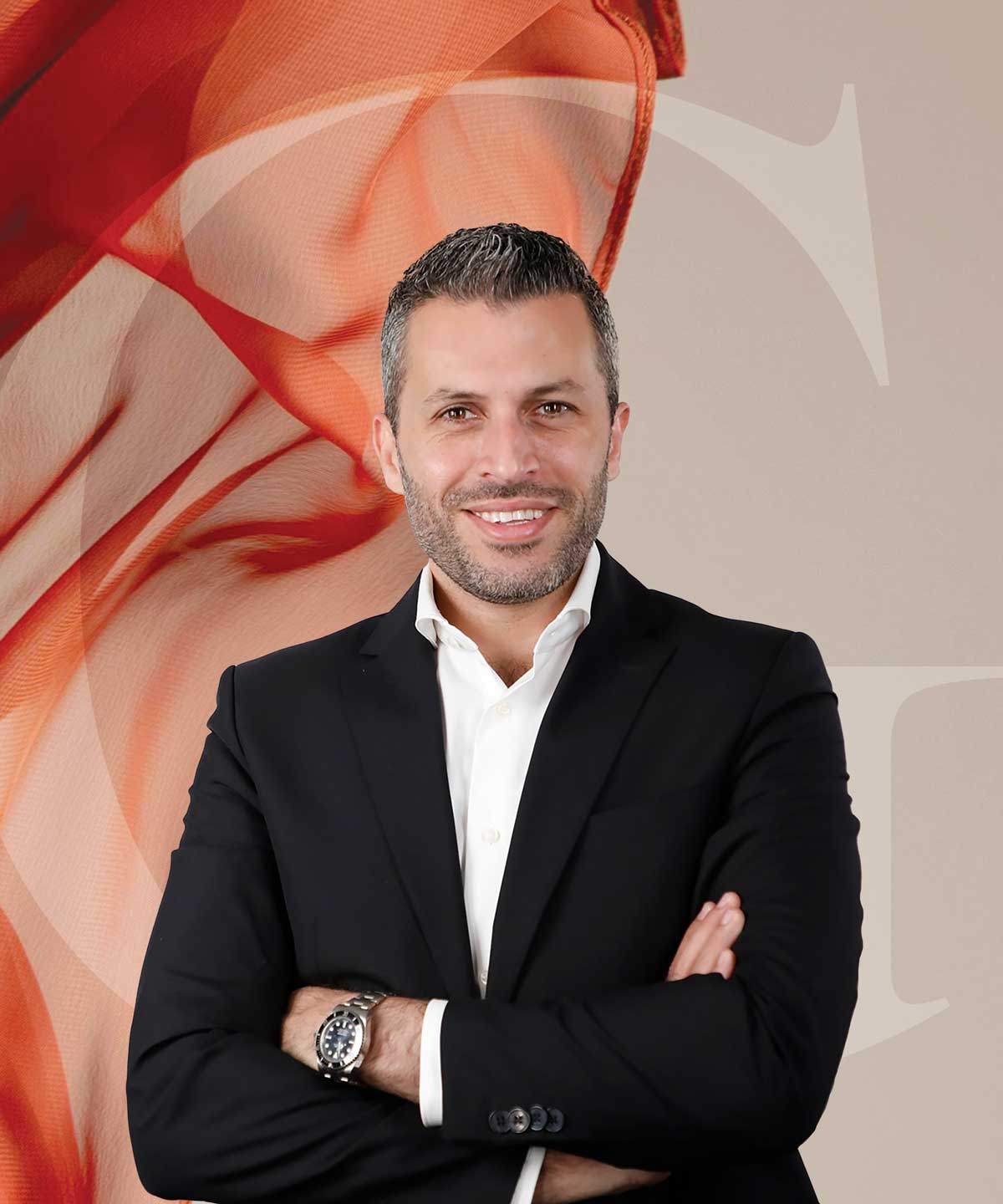
The Face of Precision: Dr. Georges Ziade on Redefining Rejuvenation
Dr. Georges Ziade, Medical Director of Dr. Georges Ziade Clinics in Beirut and Dubai
In the world of facial aesthetics, trends evolve, but lasting results rely on proven techniques. The deep plane facelift is one of today’s most advanced procedures, restoring youthful contours while preserving natural expression. In this exclusive interview, Dr. Georges Ziade, one of the region’s few double-certified experts in facial plastic surgery and otolaryngology, shares why this technique stands out. With clinics in Beirut and Dubai and a global role in aesthetic training, Dr. Ziade blends science, precision, and artistry to deliver subtle, long-lasting rejuvenation.
Dr. Ziade, can you start by introducing yourself and your professional background?
I’m Dr. Georges Ziade, a facial plastic surgeon certified in both otolaryngology and facial plastic surgery. There are only a few of us with this double specialization in Lebanon and the UAE. My focus is exclusively on the head and neck region. I’m the Medical Director of Dr. Georges Ziade Clinics in Beirut and Dubai, and also co-owner of Beauty Experts Academy, a Canadian consultancy and training platform for aesthetic professionals worldwide.
Let’s dive into our topic, what exactly is a deep plane facelift, and how is it different from traditional techniques?
Traditional facelifts initially focused only on lifting and tightening the skin. While this might offer a temporary improvement, it often results in visible scarring and unnatural tension on the face. Science has shown that real, lasting rejuvenation comes from addressing deeper layers of the face, specifically the SMAS (superficial musculoaponeurotic system), which isn’t actually a muscle but a structural layer under the skin. The deep plane facelift goes beneath the SMAS layer to reposition the full face vertically and the jawline horizontally along the facial skeleton. The result is longer-lasting, more natural-looking outcomes, with improvements that can last up to 15 years. This technique not only lifts the face but repositions deep fat compartments to their original, youthful state.
Some critics claim that deep plane facelifts are a passing trend or even risky. What’s your take on that?
That’s a misconception. The technique was introduced by Dr. Sam Hamra in the U.S. in 1990, so it’s far from new. It fell out of favor early on due to its complexity and invasiveness, but as our anatomical knowledge evolved, it became clear that Hamra was ahead of his time. This isn’t a trend; it’s a scientifically backed technique with decades of validation.
Is it true that deep plane facelifts can lead to abnormal facial aging or mid-face sagging later on?
No, that’s another myth. The procedure supports the mid-face by tightening structural layers, not the skin. When performed correctly, it restores youthful proportions without the “pulled” look. The face appears as it did 10–15 years prior; not exaggerated or altered.
Can this surgery alter a person’s identity or expressions?
Absolutely not. That’s the beauty of the deep plane approach, it respects the anatomy and preserves natural facial expressions. Unlike procedures that pull the skin, this technique repositions the muscle and fat compartments without disturbing the expressive muscles around the mouth or eyes.
Are there risks of muscle damage if the surgery is done aggressively?
Yes, especially if the procedure is performed by someone who isn’t trained specifically in deep plane techniques. Damage can occur if expressive muscles like those around the mouth are altered. That’s why Botox is often recommended for those muscles before and after surgery, rather than surgically interfering with them.
Who is the ideal candidate for this surgery? Is it age-dependent?
Not at all. It’s about facial condition, not age. Genetics and time affect facial laxity. Once there’s a clinical indication; like tissue descent or skin laxity; a facelift becomes the right approach. I always say: either do it properly with a deep plane facelift, or don’t do it at all. Mini-lifts are often short-term solutions.
Can this procedure be done under local anesthesia?
Yes, even a full deep plane facelift can be done under local anesthesia with sedation. This can be a great option for patients who do not want to get a general anesthesia, or even patients who have a medical contraindication for general anesthesia.
How long does the surgery typically take?
A straightforward deep plane facelift takes around 3 to 4 hours. If combined with other procedures, like a brow lift, lip lift, platysmaplasty, liposuction, or fat transfer, it may take up to 6 hours.
What should patients expect in terms of recovery and downtime?
The first week involves swelling and bruising, which are expected but manageable. Most patients return to light social activity within two weeks and to work by the end of the second week. For major events like weddings or photographed occasions, I recommend planning at least three months ahead.
What about scarring? Is it really hidden?
Scars can be virtually invisible if done well. Their visibility depends on how and where the incisions are placed. For example, with women, scars can often be hidden in the hairline or around the ear. Tension is another factor, since the deep plane approach relieves tension from the skin and distributes it to deeper layers, it allows for better scar healing and placement.
Does the procedure treat the upper face too, like the forehead or eyelids?
The deep plane facelift mainly targets the mid and lower face along with the neck. For the upper face, like brows or eyelids, we often combine it with blepharoplasty or brow lifts. It’s actually ideal to do them together if needed, as this ensures harmonious results and one recovery period.
Is fat transfer often used during this surgery?
Yes, but it’s a double-edged sword. It must be done strategically. We use
three forms:
* Micro-fat for volume restoration,
* Emulsified fat for fine lines, and
* Nano-fat (rich in stem cells) for skin quality improvement without adding volume.
Too much fat or the wrong type in the wrong area can lead to heaviness or an unnatural look over time. It’s about precision and planning.
What should patient look for when choosing a surgeon for a deep plane facelift?
They should look for a surgeon with specialized training and a significant track record specifically in deep plane facelifts. Not all plastic surgeons perform it, and not all before-and-after photos on social media tell the full story. Ask how many such surgeries the doctor has done, and don’t hesitate to verify credentials.
Social media can be misleading, so trust expertise, not just marketing.
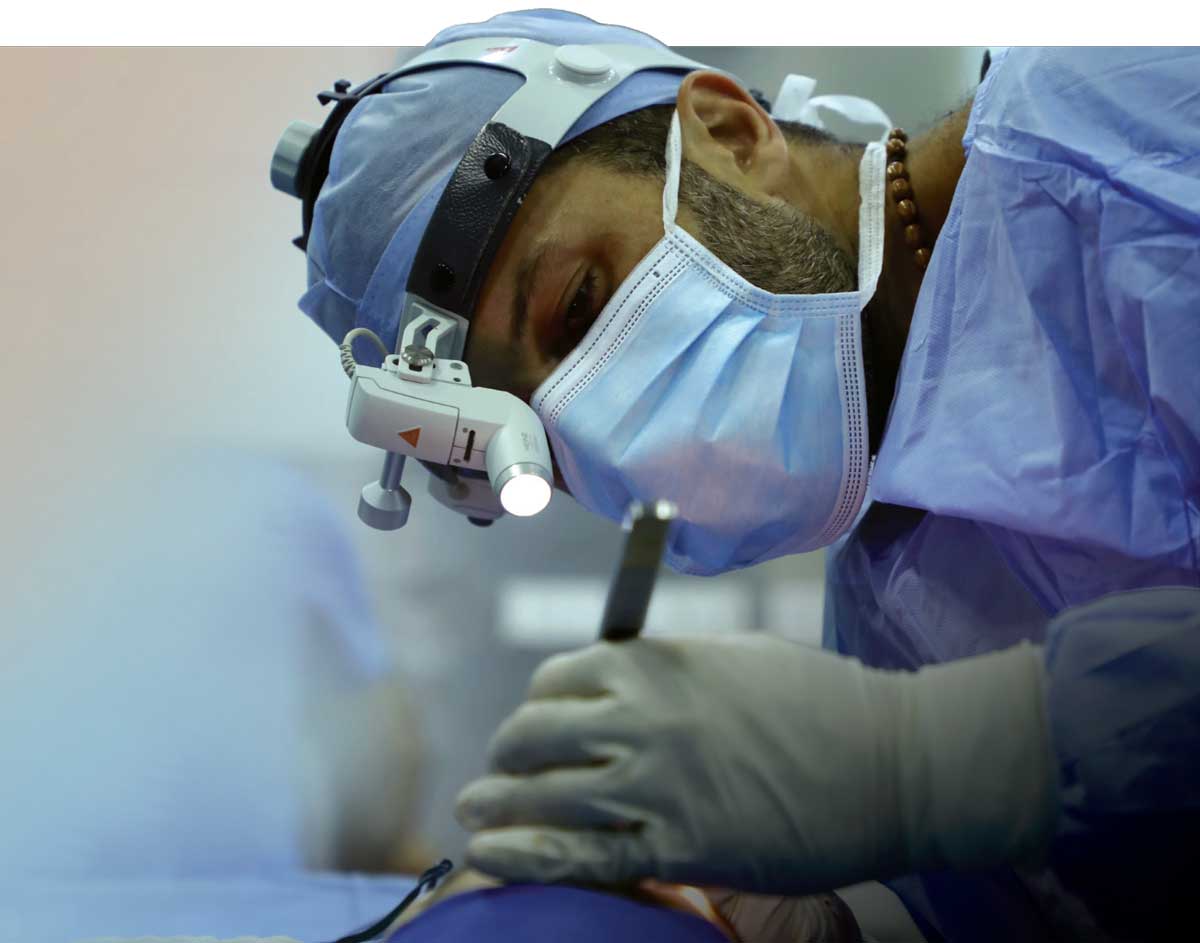
Dr. Georges Ziade’s unique combination of scientific insight, surgical precision, and dedication to natural results makes him a trusted voice in the field of facial rejuvenation. With clinics in Beirut and Dubai, his mission is to bring world-class aesthetic solutions to patients seeking authentic, long-lasting beauty.