




12 Mar Dr. Georges Hajj
Endocrinologist with international training and extensive experience in obesity, diabetes, and metabolic disorders

Hormones & the New Aesthetic Medicine: Where Metabolism Meets Longevity
For years, aesthetic medicine focused on what could be lifted, tightened, sculpted, or refined. Today, the conversation is shifting inward. Longevity, metabolic health, and hormonal balance are becoming central pillars of modern beauty. Weight management is no longer viewed as a superficial goal, but as a reflection of deeper physiological mechanisms. Hormones regulate hunger, fat storage, muscle preservation, inflammation, and even aging pathways.
At the forefront of this metabolic shift is Dr. Georges Hajj, endocrinologist with international training and extensive experience in obesity, diabetes, and metabolic disorders. After completing his medical training and fellowship at USJ University and Hôtel-Dieu de France in Beirut, Dr. Hajj pursued further specialization in Paris, where he spent three years refining his expertise in endocrinology and metabolic medicine.
He later practiced in Dubai before returning to Lebanon, where he currently consults at Bellevue Medical Center and Clemenceau Medical Center.In this in-depth conversation with Plastic & Aesthetic Magazine, Dr. Hajj shares clinical insights on insulin resistance, cortisol, thyroid dysfunction, and the expanding role of GLP-1 therapies in shaping a new era of metabolic precision and aesthetic longevity.
Doctor, before discussing GLP-1 therapies, can you explain the relationship between hormones and weight regulation?
Weight regulation is fundamentally hormonal. It is not simply about diet and exercise. Several hormones interact to control appetite, satiety, fat storage, and metabolism. Ghrelin stimulates hunger. Leptin promotes satiety. Insulin regulates blood glucose but also drives fat storage. Thyroid hormones influence metabolic rate. Cortisol affects fat distribution.
GLP-1, which is secreted by intestinal cells, acts on the hypothalamus, the brain’s center of hunger and satiety. It reduces appetite and slows gastric emptying. So when patients struggle with weight, we are often dealing with hormonal physiology, not merely lifestyle choices.
Among insulin, cortisol, & thyroid hormones, which plays the most significant role in weight gain?
All of them are implicated, but insulin plays a central role. Its primary function is to regulate blood sugar. However, when glucose exceeds the body’s needs, insulin facilitates its storage as fat. It is an anabolic hormone, meaning it builds and stores tissue.
When insulin levels remain chronically elevated, particularly in insulin resistance, fat accumulation becomes easier.
Cortisol influences fat distribution, often leading to central or abdominal obesity. Thyroid dysfunction alters metabolic speed. In hypothyroidism, metabolism slows and weight gain may occur. In hyperthyroidism, metabolism accelerates and weight loss is common.
Insulin resistance is frequently mentioned. How does it differ from diabetes?
Insulin resistance is not diabetes, although it can contribute to its development. It refers to a reduced cellular response to insulin. To compensate, the pancreas produces higher levels of insulin to maintain normal blood glucose.
Because insulin promotes fat storage, elevated insulin levels often lead to weight gain, especially abdominal fat.
Obesity is the primary driver of insulin resistance, as adipose tissue secretes substances that worsen this resistance. However, excess cortisol, growth hormone disorders, thyroid dysfunction, and chronic inflammation may also contribute.
Stress & cortisol are often blamed for weight gain. Is this medically accurate?
Cortisol is a vital hormone produced by the adrenal glands. It regulates blood pressure, glucose levels, and electrolyte balance. Acute stress temporarily increases cortisol. Chronic stress causes persistent mild elevation. Over time, this may contribute to central fat accumulation.
However, there is no evidence-based “cortisol diet.” The only proven strategy to regulate cortisol is stress management through balanced lifestyle habits, sleep, physical activity, and psychological well-being.
Understanding GLP-1
What exactly is GLP-1, and why has it become such a central topic today?
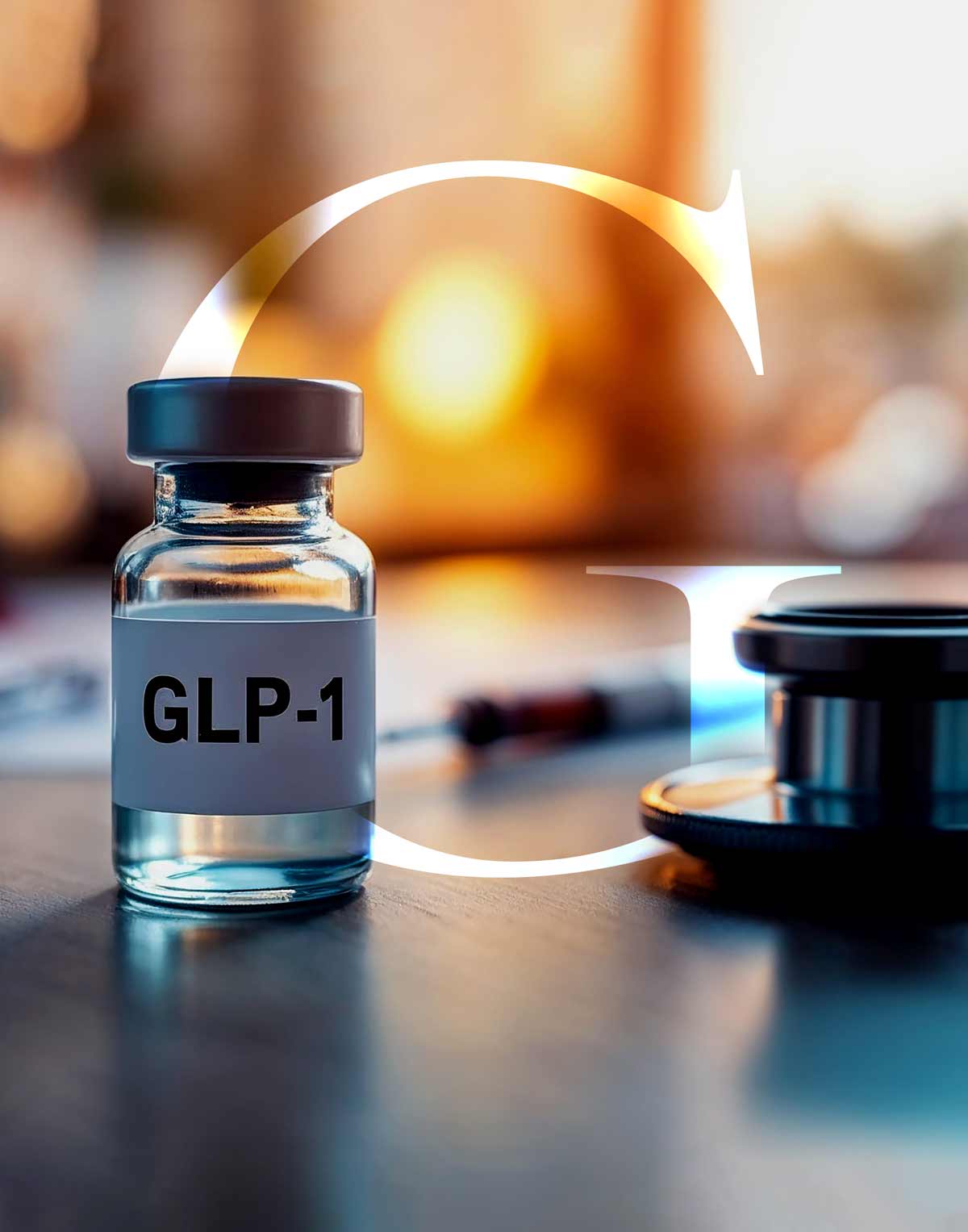
GLP-1 is a hormone secreted by the gut after meals. It has three main actions.
– First, it stimulates insulin secretion to regulate blood glucose.
– Second, it acts on the brain to increase satiety and reduce hunger.
– Third, it slows gastric emptying, prolonging fullness.
Although GLP-1–based therapies have existed for more than two decades and were initially used to treat diabetes, physicians observed consistent weight loss in treated patients. Subsequent studies confirmed their effectiveness in treating obesity, even in patients without diabetes. Today, these therapies are central to obesity management because they directly target appetite regulation and metabolic signaling.
Many people are confused about Ozempic, Wegovy, and Mounjaro. What is the difference?
Ozempic and Wegovy contain the same active molecule. The difference lies primarily in dosage and regulatory indication. Wegovy is approved at higher doses specifically for obesity treatment.
Similarly, Mounjaro and its obesity-specific counterpart contain the same molecule but are marketed differently depending on whether the indication is diabetes or obesity.
The distinction is not in the compound itself but in dosage and approved use.
Patient Selection & Safety
Who is considered an appropriate candidate for GLP-1 therapy?
According to international guidelines, pharmacological treatment is recommended for patients with a BMI above 30, or those with a BMI above 27 plus at least one obesity-related risk factor. Before starting treatment, it is essential to rule out secondary causes of obesity such as thyroid disorders or Cushing syndrome.
Obesity can have multiple etiologies, and if an underlying hormonal disorder is present, it must be addressed first. These medications are medical therapies for a chronic disease, not aesthetic shortcuts.
Are there contraindications?
Yes. Patients with medullary thyroid cancer, or a family history of it, should not take these medications. Although human studies have not confirmed a direct link, precaution is advised. Other thyroid conditions, including treated hypothyroidism, are not contraindications when properly managed.
Muscle, Skin & Aesthetic Considerations
Rapid weight loss may lead to muscle reduction and skin laxity. What is your advice?
Every weight loss process involves some degree of muscle reduction. To minimize this, patients should maintain resistance training and increase protein intake. Proper exercise and nutritional strategies are essential. The muscle loss figures often circulated on social media are frequently exaggerated. With appropriate medical guidance, these effects can be controlled.
Long-Term Management
Once a patient reaches their ideal weight, should treatment be stopped?
Obesity is now classified as a chronic disease. Short-term treatment often leads to weight regain once the medication is discontinued. Current medical thinking supports longer-term therapy, although the exact duration remains under study. The longer treatment is maintained, the lower the risk of regaining lost weight.
Beyond Weight Loss
Beyond weight loss, are there additional medical benefits associated with GLP-1 therapies?
Yes. Much of the public discussion focuses on slimming effects, but these medications provide significant systemic benefits. Large clinical trials have demonstrated a reduction in cardiovascular mortality and morbidity in patients with diabetes and in patients with obesity, even without diabetes.
They also show protective effects on kidney function, reducing progression toward kidney failure in high-risk individuals. Ongoing research is exploring their impact on metabolic inflammation and insulin resistance, and some patients report improvements in perimenopausal symptoms. While the aesthetic transformation is visible, the deeper metabolic protection may be even more important.
The Aesthetic Debate
What about patients using these therapies purely for aesthetic weight loss?
According to current guidelines, individuals who do not meet BMI criteria are not eligible.
Using these medications short term for minor aesthetic goals often results in rebound weight gain once discontinued.
Lifestyle modification, motivation, and structured nutritional guidance remain the appropriate approach in such cases. The modern understanding of weight has evolved. It is no longer seen as a failure of discipline, but as a complex interaction of hormonal systems. For aesthetic medicine, this shift is profound. The future of beauty is not only sculpted externally. It is regulated internally, through metabolic precision, longevity-focused care, and scientific innovation.