

14 Jul Dr. Diaa Balkees
Relief, Confidence, & Transformation:
The Power of Breast Reduction with Dr. Diaa Balkees
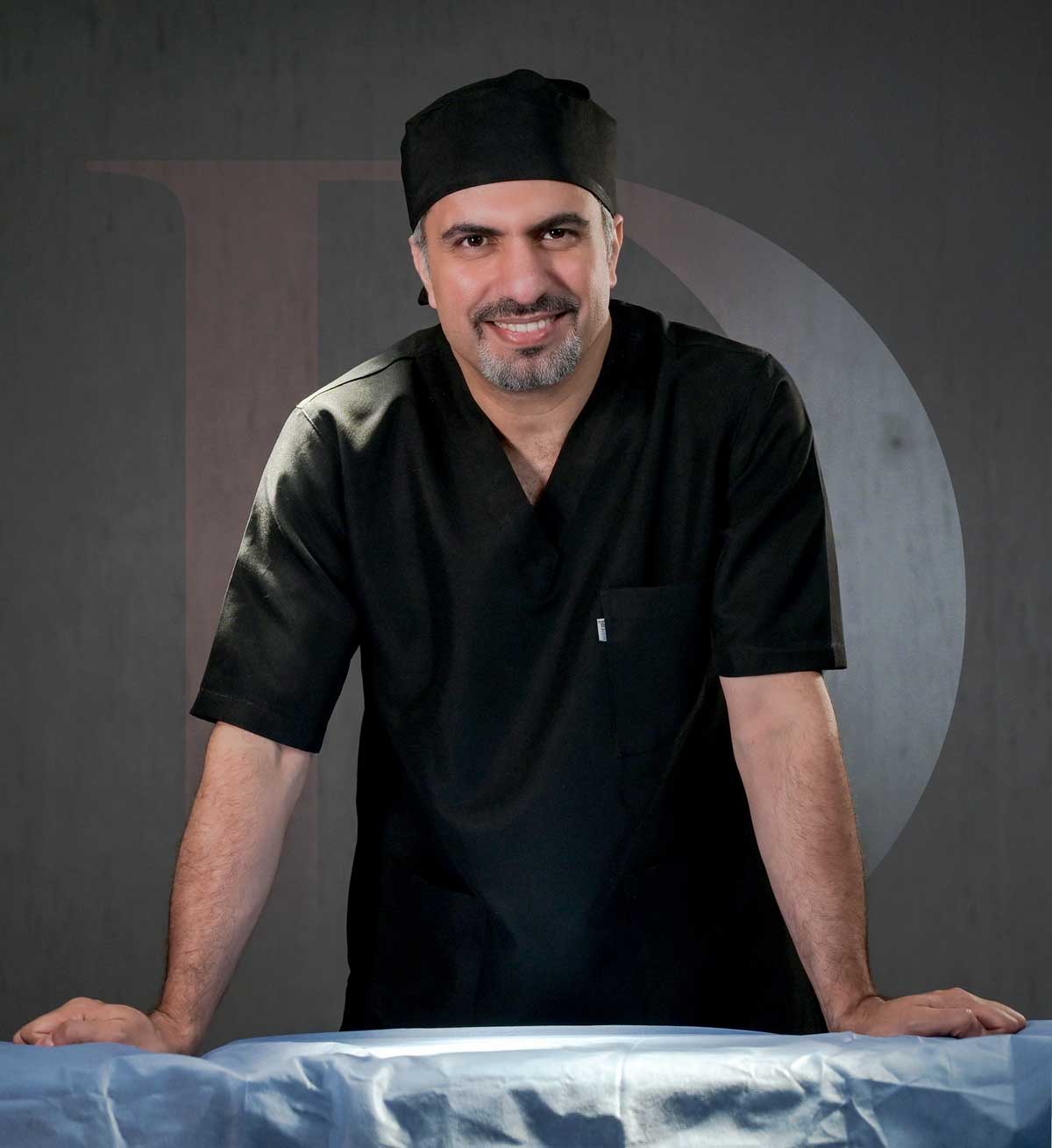
In a region where aesthetic standards are evolving alongside rising awareness of women’s health, breast reduction surgery has become a transformative solution for many seeking both relief and renewed confidence. We sat down with Dr. Diaa Balkees, a renowned plastic surgeon practicing at Skin Choice and Al EMADI Hospital in Qatar, to explore the multidimensional benefits of this procedure. With a deep commitment to patient wellbeing and a reputation for combining surgical precision with a personalized touch, Dr. Balkees shares insights into the institutions he operates in, the advancements in surgical techniques, and what truly matters to patients seeking breast reduction today.
Dr. Balkees, you currently practice at both Skin Choice and Al EMADI Hospital in Qatar. Can you tell us more about these two institutions and what makes each of them unique in terms of patient care and surgical services?
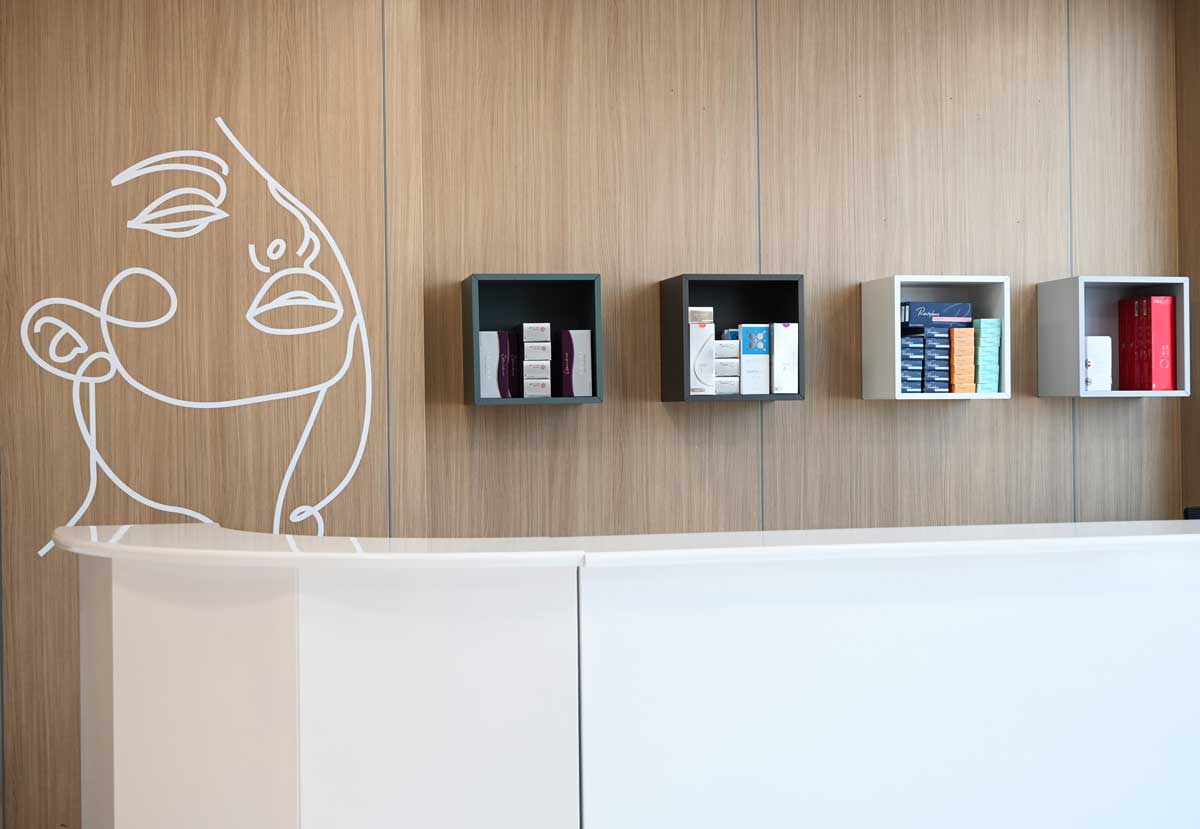
Both Skin Choice and Al EMADI Hospital offer exceptional standards of care, yet each brings a unique advantage to the patient experience. At Skin Choice, the focus is on personalized aesthetic services in a boutique setting. It’s designed to offer comfort, privacy, and the latest in non-surgical and minimally invasive treatments. It allows me to provide tailored care in a more intimate and patient-focused environment.
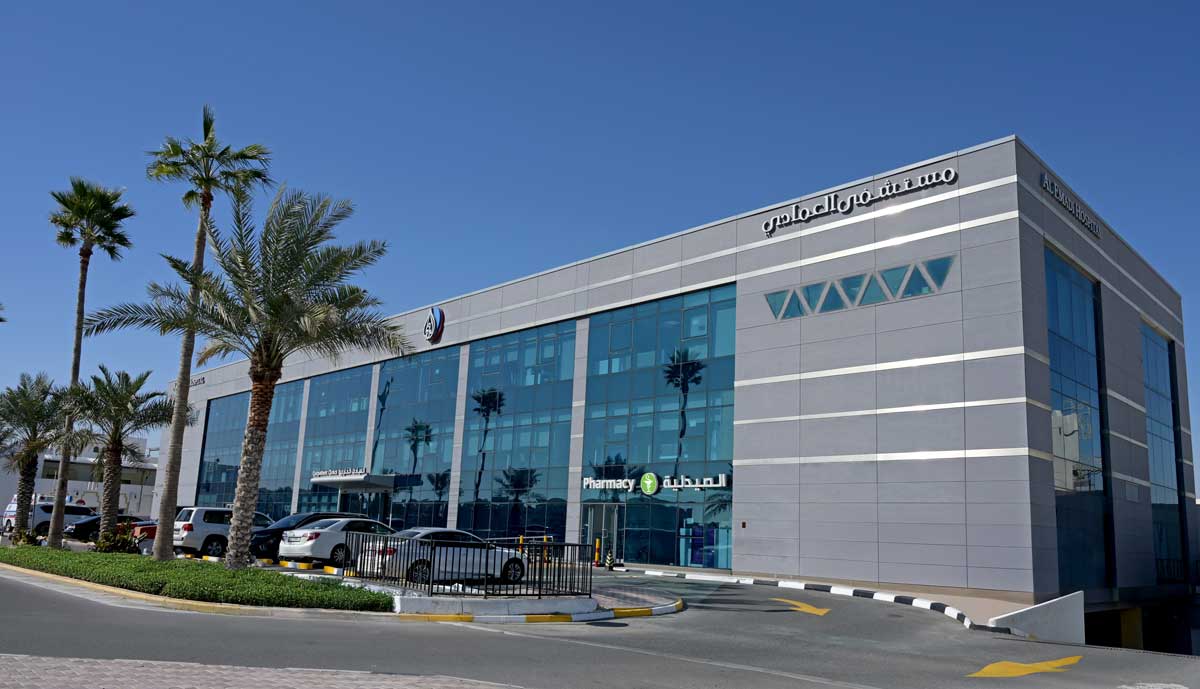
Al EMADI Hospital, on the other hand, is a multidisciplinary medical institution equipped with advanced surgical infrastructure and comprehensive post-operative care services. Its robust clinical support allows me to perform more complex surgical procedures, such as breast reduction, with the highest standards of safety and efficiency.
How do the advanced technologies and supportive environments at Skin Choice and Al EMADI Hospital enhance your ability to deliver safe and successful plastic surgeries, particularly breast reduction?
Technology plays a critical role in both diagnosis and surgical outcomes. At both institutions, we use advanced imaging systems, surgical planning tools, and post-op monitoring protocols that allow for precise execution and optimal recovery.
At Al EMADI, the operating theaters are state-of-the-art, and the nursing teams are specially trained in post-surgical care. At Skin Choice, the pre- and post-operative patient experience is elevated through aesthetic wellness programs and recovery protocols. This dual setting gives me the flexibility to offer both functionally sound and aesthetically refined results.
About Breast Reduction Surgery
Breast reduction is often described as both a functional and aesthetic surgery. What are the most common reasons patients approach you for this procedure?
Most patients seek breast reduction for a combination of physical discomfort and emotional wellbeing. Common issues include chronic neck, back, and shoulder pain, skin irritation under the breasts, and posture problems. Others are simply looking to feel more confident in their body, improve clothing fit, or regain comfort during physical activity. For many, it’s about restoring quality of life.
What does the initial consultation typically involve, and how do you guide patients in determining whether breast reduction is right for them?
The initial consultation is a comprehensive and empathetic dialogue. We start by understanding the patient’s concerns, goals, medical history, and lifestyle. I perform a physical examination and discuss the available techniques, recovery expectations, and potential risks.
My goal is to ensure the patient is fully informed, emotionally prepared, and confident in their decision.
Can you describe the different surgical techniques used in breast reduction, and how do you choose the best one for each patient?
Techniques vary depending on the patient’s anatomy and goals. The most common are the anchor (inverted-T) and vertical (lollipop) incisions. I also use liposuction in selected cases. The choice depends on the amount of tissue to be removed, the degree of sagging, and whether reshaping is needed. Every technique is tailored to preserve aesthetics while prioritizing safety and long-term results.
How do you manage concerns about scarring and changes in nipple sensation, which are common fears among patients?
These concerns are valid and openly discussed during the consultation. I use refined surgical techniques to minimize scarring and preserve nerve pathways whenever possible. Most scars fade significantly over time with proper post-operative care, and many patients retain normal nipple sensation. I also provide patients with scar management protocols and schedule regular follow-ups to ensure healing progresses as expected.
What does recovery look like, and how soon can patients expect to resume daily activities?
Most patients return to light daily activities within 7 to 10 days. However, complete healing and return to exercise or lifting can take around 4 to 6 weeks. I provide a customized recovery plan for each patient, including wound care, mobility guidance, and support garments to ensure optimal healing and comfort.
Have you noticed an increase in breast reduction procedures in Qatar and the region in recent years? What’s driving this demand?
Yes, there has been a noticeable rise. Increased awareness of the health benefits, improved surgical techniques, and reduced recovery times have contributed significantly.
Additionally, the cultural shift toward body positivity and personal wellbeing has encouraged more women to take control of their health and comfort.
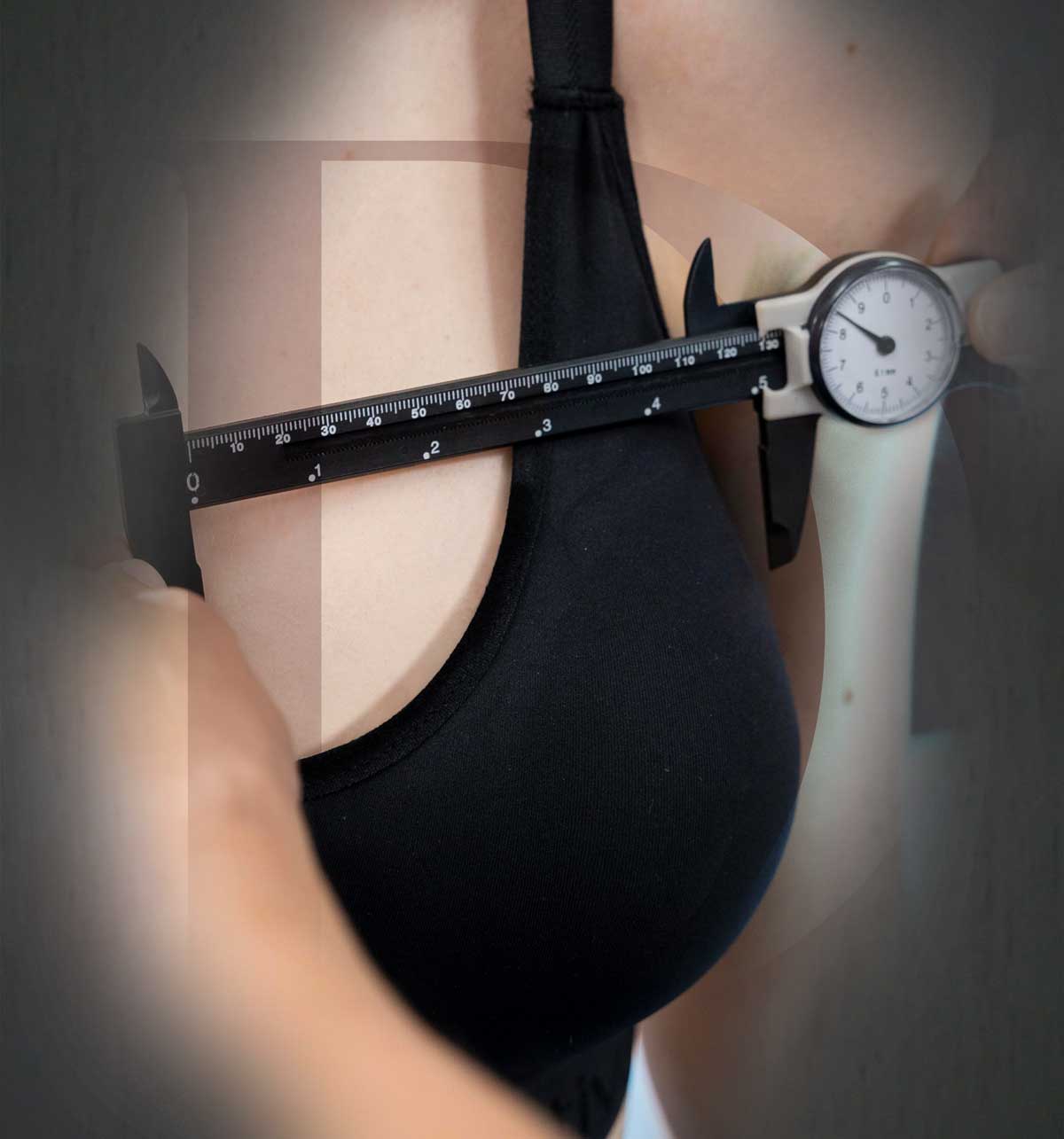
How do you ensure that results are not only medically beneficial but also aligned with the patient’s aesthetic goals?
It’s a balance of science and artistry. I begin by understanding the patient’s vision and how they define beauty for themselves. Then I apply precise measurements, symmetry-focused planning, and advanced surgical methods to create results that are both functionally relieving and aesthetically satisfying. Patient satisfaction is always at the core of the outcome.
What advice would you give to someone considering breast reduction but feeling hesitant about the process or outcome?
My advice is: don’t rush, but don’t ignore your discomfort. Start with a consultation. You’re not committing to surgery, you’re committing to understanding your options.
Surround yourself with accurate information, speak to a qualified surgeon, and listen to your body. If breast reduction can improve your quality of life, both physically and emotionally, it’s worth exploring.