




04 Sep Energy-Based Devices
The Technologies Helping Skin Age Better; Not Just Look Better
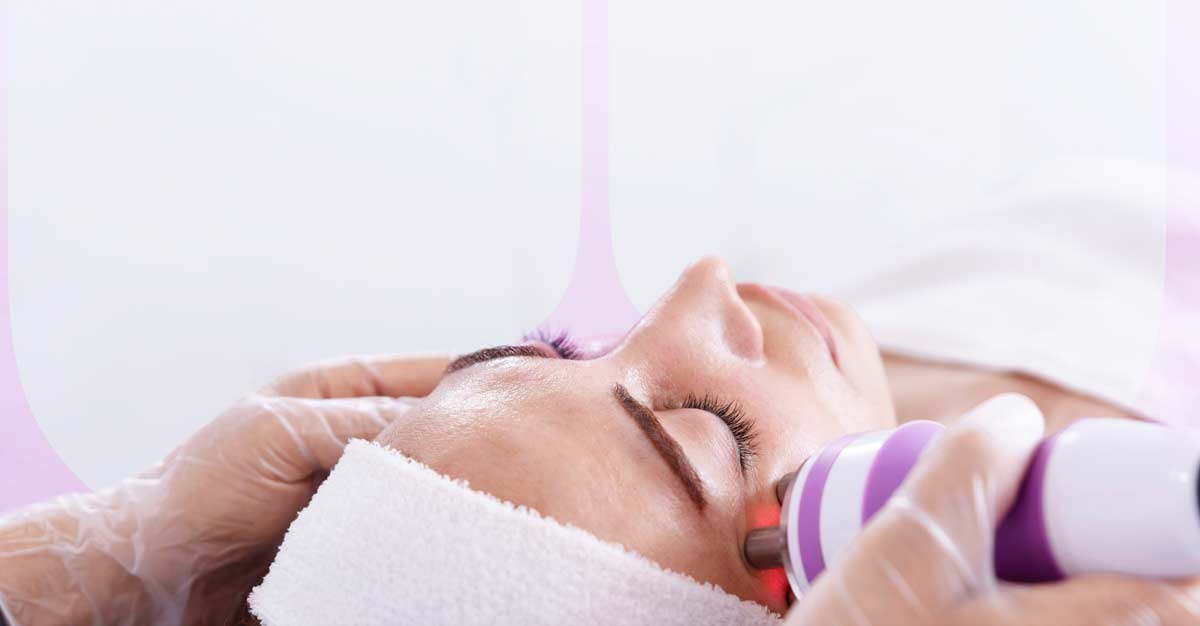
For years, aesthetic medicine was largely associated with injectables and surgery. Today, another category of treatments is rapidly transforming the field; energy-based devices. Using carefully controlled heat, light, ultrasound, or radiofrequency, these technologies stimulate the skin’s natural repair mechanisms, encouraging collagen remodeling, improving skin quality, and addressing early signs of aging without adding volume or significantly altering facial features. Their growing popularity reflects an important shift in aesthetic medicine. The goal is no longer simply to correct aging. It is to preserve healthy skin before significant changes occur.
What Are Energy-Based Devices?
Energy-based devices are medical technologies that deliver controlled energy into specific layers of the skin without damaging the surrounding tissue. This controlled stimulation activates the body’s natural healing response, encouraging fibroblasts to produce new collagen and elastin; the structural proteins responsible for firmness, elasticity, and skin strength. Unlike creams that act primarily on the skin’s surface, these devices target deeper layers where the aging process begins. The result is gradual skin remodeling rather than an instant cosmetic change.
Why Collagen Matters
Beginning in our mid-twenties, collagen production naturally declines by approximately 1% each year.
Over time, this gradual loss contributes to thinner skin, reduced elasticity, fine lines, and tissue laxity.
Energy-based devices cannot stop aging, but many can stimulate the body’s natural collagen production, helping maintain stronger, healthier skin for longer. For this reason, many physicians now recommend these treatments not only for correction but also as part of a long-term skin preservation strategy.
Different Technologies, Different Goals
Not all energy-based devices work in the same way. Understanding their differences helps patients have more realistic expectations and choose treatments appropriate for their individual needs.
Radiofrequency (RF): Heating the Skin to Build Collagen: Radiofrequency devices deliver controlled heat into the deeper layers of the skin while protecting the surface. This thermal stimulation activates collagen remodeling and may improve skin firmness, mild laxity, and overall skin texture. Some technologies combine radiofrequency with microneedling, allowing energy to be delivered more precisely into the dermis while also stimulating the skin through tiny controlled micro-injuries.
These treatments are commonly used on the face, neck, jawline, and body to improve skin quality with relatively short recovery times.
Ultrasound: Reaching the Deeper Support Structures: Microfocused ultrasound uses sound waves to deliver precise energy beneath the skin’s surface, reaching deeper structural layers that cannot be treated with creams or many superficial procedures. By creating tiny thermal points at specific depths, ultrasound stimulates collagen production and gradual tissue tightening. It is often recommended for patients with mild to moderate skin laxity who wish to improve facial definition while maintaining a natural appearance. Results develop progressively over several months as collagen remodeling occurs.
Laser Technologies; Precision Skin Renewal: Lasers work by delivering concentrated light energy into the skin. Different lasers are designed for different concerns. Fractional lasers stimulate collagen while improving skin texture, fine lines, acne scars, and sun damage. Ablative lasers, such as CO₂ lasers, remove microscopic columns of damaged skin, promoting significant skin renewal but requiring longer recovery. Non-ablative lasers stimulate collagen with less downtime, although multiple sessions may be needed. Choosing the appropriate laser depends on the patient’s skin type, concerns, and desired recovery period.
Intense Pulsed Light (IPL); Targeting Color Rather Than Tightness: Although often grouped with lasers, IPL uses broad-spectrum light rather than a single wavelength. It is particularly effective for treating pigmentation, sun spots, redness, and visible blood vessels while improving overall skin tone. IPL does not significantly tighten the skin but complements other rejuvenation treatments by restoring a more even complexion.
Prevention Is Changing Everything
Perhaps the biggest change in aesthetic medicine is not the technology itself; it is when people choose to use it. Instead of waiting until significant sagging or deep wrinkles develop, many patients now begin collagen-stimulating treatments earlier to help preserve skin quality and slow structural decline. This approach does not aim to prevent aging altogether. Rather, it seeks to support healthier aging by maintaining the skin’s natural architecture over time.
One Device Is Rarely the Complete Answer
Every technology has strengths and limitations. A laser may improve pigmentation but have little effect on deep laxity. Ultrasound may tighten tissue without addressing uneven skin tone. Radiofrequency may improve firmness while another treatment targets texture or hydration. For this reason, physicians increasingly develop personalized treatment plans that combine different technologies with regenerative procedures, medical-grade skincare, sun protection, and healthy lifestyle habits. The best results rarely come from one treatment. They come from understanding how different therapies work together.
Choosing the Right Technology
The most appropriate treatment depends on several factors, including age, skin quality, degree of laxity, pigmentation, lifestyle, recovery expectations, and overall treatment goals. There is no universal “best machine.” Instead, there is the right technology for the right patient at the right stage of aging. A thorough medical consultation remains essential before beginning any energy-based procedure.
The Future Is Preservation
Energy-based devices have transformed the way physicians approach facial rejuvenation. Rather than waiting for visible aging to appear, these technologies allow practitioners to support collagen production, maintain skin quality, and preserve healthy tissues before more advanced changes occur. They are not a substitute for healthy habits or good skincare. Instead, they have become another important tool in the growing movement toward preventive and regenerative aesthetics.
Because the future of beauty is no longer about chasing youth. It is about helping skin remain stronger, healthier, and more resilient for years to come.