




03 Sep Dr. Ahmad Berjawi
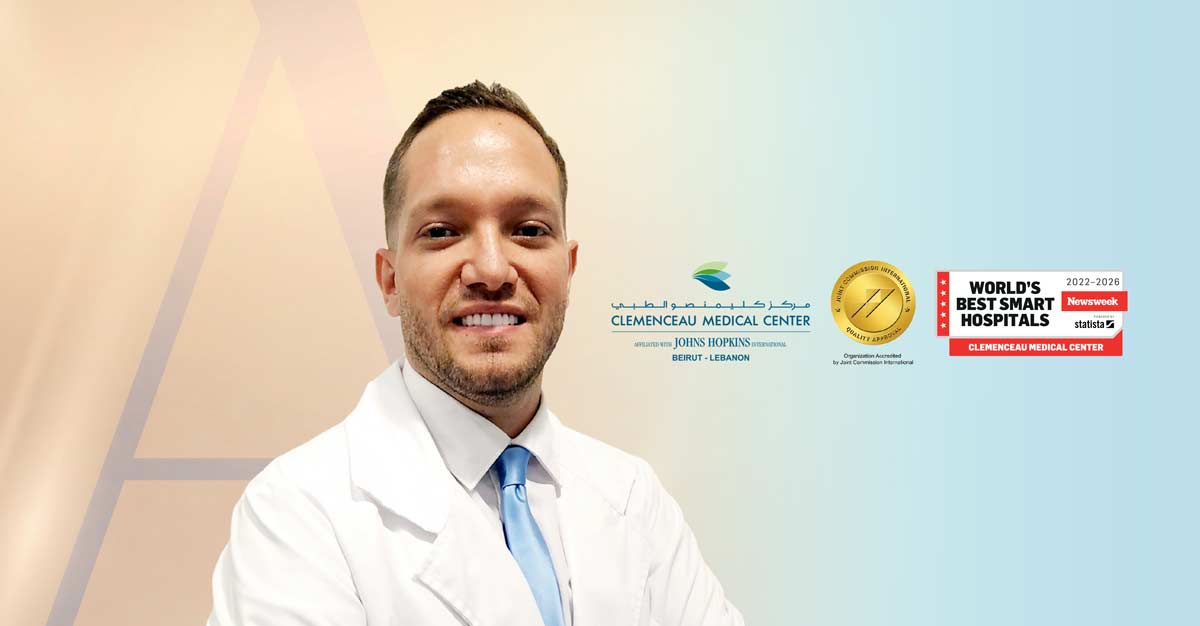
Dr. Ahmad Berjawi, Dermatologist and Aesthetic Specialist at Clemenceau Medical Center – Beirut
The Future of Skin Longevity: From Anti-Aging to Regenerative Dermatology
In this exclusive interview with Plastic & Aesthetic (PA) Magazine, Dr. Ahmad Berjawi explores the evolving science of skin longevity; from prevention and barrier health to regenerative aesthetics. He shares how today’s innovations are shifting the focus from simply correcting signs of aging to preserving and strengthening the skin’s biological health for the future.
How has the concept of longevity changed the way healthcare providers approach women’s health today?
Skin longevity goes beyond the traditional goal of simply looking younger; it’s about preserving the biological health and functional capacity of the skin over time. Classically, dermatology approached aging reactively: patients would present with wrinkles, laxity, or pigmentation, and we would treat what was visible. Skin longevity flips that model into a proactive, preventive paradigm. In practical terms, this is changing our approach in several ways:
First, Earlier intervention, we’re having conversations with patients in their 20s and 30s about prevention, not just correction.
Second, Lifestyle integration, most importantly sleep, nutrition, stress management, and sun protection are treated as first-line tools, not afterthoughts.
Third, Biomarker thinking, there’s growing interest in assessing biological skin age versus chronological age, using tools like skin imaging technologies.
Finally, Ingredient science, actives like retinoids, antioxidants, peptides, and NAD+ precursors compounds are being evaluated not just for aesthetic effect, but for their ability to genuinely influence skin cell biology. Therefore, intervening early, measuring outcomes, and thinking in decades rather than treatment cycles is the new way to approach skin aging.
What are the most important health risks women should address proactively as they age? How does hormonal health influence long-term wellbeing, cardiovascular health, bone health, and cognitive function?
The honest answer is both are happening, but increasingly, we have evidence for slowing visible skin aging. For a long time, most interventions like topicals, energy-based devices and injectables were working primarily at a symptomatic level. They improved appearance without meaningfully altering the underlying biological processes driving aging. A filler restores volume; it doesn’t slow collagen degradation. A laser resurfacing improves texture; it doesn’t reprogram a cell. But the science is shifting. We now have credible evidence that certain interventions genuinely influence the biology of skin aging, not just its appearance.
Retinoids remain our most evidence-backed example. Decades of research confirm that tretinoin not only improves the look of photoaged skin, but measurably increases collagen synthesis, normalizes keratinocyte turnover, and reduces matrix metalloproteinase activity (the enzymes responsible for collagen breakdown). That is a true biological effect.
Sunscreen, when used consistently and long-term, has been shown to slow the rate of photoaging, not merely prevent acute damage. A landmark Australian study demonstrated that daily sunscreen users showed measurably less skin aging progression over years compared to controls.
Topical antioxidants like Vitamin C, niacinamide, and stabilized forms of resveratrol are showing promising data in neutralizing reactive oxygen species that drive mitochondrial damage and aging at the cellular level.
Energy-based devices particularly fractional lasers, radiofrequency, and focused ultrasound have demonstrated genuine neocollagenesis (stimulation of new collagen production) and not just temporary tissue effects. Histological studies confirm structural remodeling in the dermis.
Biostimulators such as poly-L-lactic acid (PLLA), calcium hydroxylapatite (CaHA), and more recently polynucleotides (PDRN/PN) represent one of the most compelling categories of intervention from a skin longevity standpoint, precisely because their mechanism of action is inherently biological rather than mechanical. Unlike fillers that simply replace lost volume, biostimulators work by triggering the skin’s own regenerative machinery stimulating fibroblast activity, promoting de novo collagen and elastin synthesis, and improving the overall quality of the extracellular matrix. Histological studies on PLLA and CaHA have confirmed measurable increases in dermal collagen density over time, with effects that outlast the products’ own resorption, a strong indicator that genuine tissue remodeling, not just volumization, is occurring. Polynucleotides add another dimension, showing evidence of antioxidant activity, improved tissue hydration at a structural level, and fibroblast proliferation. What makes biostimulators particularly relevant to the skin longevity conversation is that they don’t just address how the skin looks today, they are actively investing in the skin’s structural capital for the future.
Therefore, several well-established interventions genuinely slow the rate of biological skin aging, while others continue to work primarily at an aesthetic level.
What role does preventive screening play in extending healthspan and improving quality of life for women?
We now understand that a well-functioning skin barrier is not just about comfort or hydration; it is fundamental to skin health, aging, immunity, and even systemic wellbeing. The barrier, primarily the stratum corneum and its associated lipid matrix (ceramides, fatty acids, and cholesterol in a precise ratio), serves multiple critical functions simultaneously. It prevents transepidermal water loss (TEWL), keeping the skin adequately hydrated from within. It acts as the first line of defense against environmental aggressors: UV radiation, pollution, pathogens, and allergens. It regulates cutaneous immunity, and when disrupted, it triggers inflammatory cascades that, over time, contribute to accelerated aging, sensitization, and conditions like rosacea, atopic dermatitis, and perioral dermatitis. Crucially, we now understand the relationship between barrier dysfunction and inflammaging; the chronic low-grade inflammation that drives biological aging not just in the skin, but potentially systemically. A compromised barrier is a chronically stressed organ, and chronic stress at the cellular level accelerates aging. Despite growing awareness, barrier damage remains extremely common and often self-inflicted:
Over-cleansing and harsh surfactants: Washing the face too frequently, or with cleansers that contain aggressive sulfates, disrupts the skin’s natural lipid matrix and microbiome. Many patients unknowingly strip their barrier daily in the name of “clean skin.”
Over-exfoliation: The democratization of active ingredients has led to a widespread tendency to layer acids (AHAs, BHAs), physical scrubs, and enzymatic exfoliants simultaneously or too frequently. Exfoliation has legitimate benefits, but chronic over-exfoliation thins the stratum corneum and impairs its regenerative capacity.
Misuse of active ingredients: Retinoids, Vitamin C, benzoyl peroxide, and exfoliating acids are all valuable, but using multiple high-concentration actives without proper acclimatization is one of the most frequent causes of iatrogenic barrier damage we see clinically. More is not more.
Environmental neglect: Low humidity environments, excessive air conditioning, and heating systems all accelerate TEWL and progressively dehydrate the stratum corneum. Many patients never connect their environment to their skin’s behavior.
Microbiome disruption: Overuse of antibacterial products, excessive cleansing, and indiscriminate antibiotic use disturb the skin’s microbial ecosystem, which plays an active role in maintaining barrier integrity and immune regulation. The skin microbiome is integral to the barrier function.
Therefore, healthy skin barrier is the foundation on which every other intervention rests. Aesthetic treatments perform better, active ingredients penetrate more effectively, and the skin ages more gracefully when the barrier is intact and well-supported.
How are hospitals integrating personalized and preventive approaches into women’s healthcare programs?
Regenerative aesthetics represents a genuine paradigm shift, not just a marketing trend. The distinction that makes it meaningful is the same one we discussed with skin longevity where we are moving from replacing or camouflaging what has been lost toward reactivating the skin’s own biological capacity to restore itself. Several treatments within this field are, in my view, genuinely transforming clinical practice:
PRP was arguably the treatment that introduced regenerative thinking into mainstream aesthetic medicine. By concentrating the patient’s own growth factors and reintroducing them into target tissue, we are leveraging the body’s own wound-healing and regenerative machinery. The evidence base has matured considerably, particularly for skin rejuvenation, hair loss (androgenetic alopecia), and in combination with microneedling. What makes PRP clinically significant is its autologous nature; it is biologically intelligent, using signals the body already recognizes.

Biostimulators (PLLA, CaHA): As discussed previously, biostimulators deserve their place in any conversation about regenerative aesthetics because their primary mechanism is biological stimulation rather than volumization. They are changing clinical practice by shifting the conversation from “filling a deficit” to “rebuilding tissue quality” a fundamentally different and more sustainable approach to facial aging.
The evidence base for biostimulators particularly poly-L-lactic acid (PLLA) and calcium hydroxylapatite (CaHA) is among the most mature in aesthetic medicine, supported by histological studies confirming measurable increases in dermal collagen density that persist well beyond the products’ own resorption, demonstrating tissue remodeling rather than simple volumization.
Multiple randomized controlled trials and long-term follow-up studies have validated their efficacy and safety profiles over time. Newer products as polynucleotides is perhaps the most exciting category to emerge in recent years, and one that is rapidly earning its place in evidence-based practice. Derived from salmon or trout DNA, polynucleotides work through multiple mechanisms simultaneously by stimulating fibroblast proliferation, promoting angiogenesis, exerting antioxidant and anti-inflammatory effects, and improving tissue hydration at a structural level by interacting with the extracellular matrix. Clinically, we are seeing remarkable results in skin quality improvement, under-eye rejuvenation, and post-procedure recovery acceleration.
However, evidence is growing, promising, and mechanistically solid, but not yet at the level we would consider definitive by the highest standards of clinical research since many published studies are small in sample size, lack standardization, and require longer follow up studies.
Finally, Exosomes represent the frontier of regenerative aesthetics and are generating considerable scientific excitement and legitimate debate. These extracellular vesicles, derived primarily from stem cells, carry bioactives as growth factors, microRNAs, and signaling proteins that can influence recipient cell behavior in profound ways. Early clinical data and case series are compelling, particularly for skin rejuvenation and hair restoration. However, it is important to be intellectually honest as standardization, quality control, and long-term human trial data are still maturing. The mechanistic rationale is strong; the clinical evidence base is still being built. Regulatory frameworks vary significantly by country, which adds complexity. Therefore, more clinical data is needed before being a standard of care for rejuvination.
What impact do lifestyle factors such as nutrition, physical activity, sleep, and stress management have on healthy aging in women?
The true power of a skin longevity strategy lies not in any single treatment but in their intelligent sequencing and combination. A well-designed protocol might look like:
- Biostimulators deployed once or twice yearly as the structural foundation
- Polynucleotides used as quarterly maintenance, supporting cellular function and managing inflammation between more intensive treatments
- Energy-based devices scheduled periodically to drive remodeling and create regenerative windows
- PRP combined with needling or devices to amplify and extend regenerative responses
Ultimately, fitting these treatments into a skin longevity strategy requires thinking like a long-term custodian of the patient’s skin health, not a provider of isolated procedures. Each intervention should be chosen not only for what it delivers today, but for how it contributes to the skin’s biological trajectory over years and decades.