

08 Sep Dr. Ibrahim Bakri
Beyond Quick Fixes: Dr. Ibrahim Bakri on the Future of Skin Health and Aesthetics
A leading consultant dermatologist at Skin Choice Clinic, Qatar
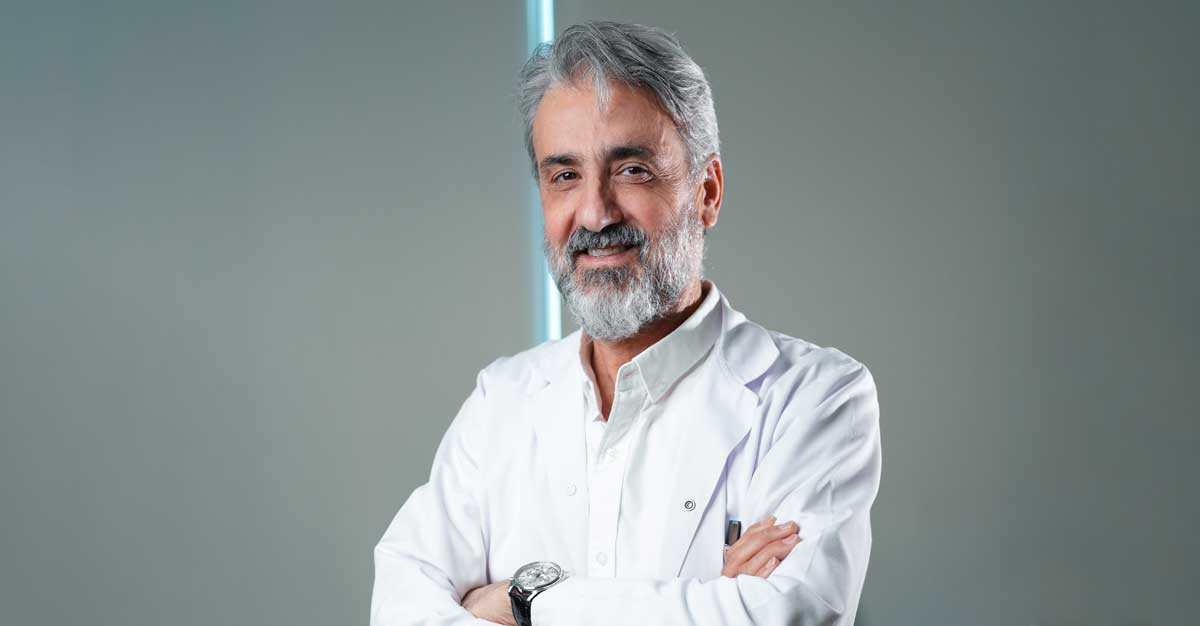
Renowned for his meticulous approach and commitment to natural beauty, Dr. Ibrahim Bakri is a leading consultant dermatologist at Skin Choice Clinic, Qatar, whose philosophy goes far beyond quick fixes. With 30 years of expertise in medical and cosmetic dermatology, he emphasizes prevention, skin health, and regenerative medicine as the true cornerstones of lasting aesthetics. His practice blends science, technology, and artistry, ensuring that every patient achieves results that are both transformative and authentically their own.
In a world where beauty trends often favor instant results, Dr. Bakri stands as a voice of wisdom and balance. He believes true aesthetics are achieved when science, artistry, and patient education come together. In this exclusive interview for Plastic & Aesthetic Magazine (PA), he shares his insights on why skin health should take precedence over quick fixes, the evolving role of regenerative medicine, and how educating the next generation can redefine the future of dermatology.
What are the most important daily habits young women should adopt to maintain healthy and glowing skin?
Healthy skin starts with discipline: gentle cleansing, daily sun protection, and proper hydration. Beyond that, integrating antioxidants such as vitamin C, avoiding smoking, and limiting direct sun exposure are fundamental steps that truly preserve the skin’s natural glow.
At what age should people start serious skincare routines, and what should these routines include?
By the early twenties, everyone should adopt a structured skincare routine focused on cleansing, hydration, and broad-spectrum sunblock. With age, tailored additions such as retinoids, peptides, and periodic professional treatments can be introduced to prevent premature aging and maintain skin vitality.
How does lifestyle (nutrition, sleep, stress) affect skin quality compared to cosmetic procedures?
Lifestyle is the foundation of skin health. Nutrition, sleep, hydration, and stress levels all directly influence skin quality. Cosmetic procedures can enhance appearance, but without healthy daily habits, results will always be limited and short-lived.
Do you think fillers and Botox are being overused today? What risks do you see with this trend?
Yes. Overuse often leads to unnatural outcomes, loss of individuality, and in some cases, tissue compromise. Aesthetic medicine should be about refinement and balance, not exaggeration.
What are better alternatives for those who want to maintain a natural look without relying heavily on injectables?
Collagen-stimulating treatments, bio-remodeling injectables, regenerative medicine, and advanced energy-based devices offer powerful results while maintaining natural facial harmony. These treatments focus on skin quality, not just volume.
How do you explain to young patients that prevention and skin health matter more than quick fixes?
I emphasize that prevention is the true anti-aging strategy. Investing in skincare, sun protection, and non-invasive maintenance today means they will require fewer corrective procedures in the future.
What non-invasive treatments are available today to improve skin tightness and texture without scars or downtime?
Radiofrequency, ultrasound-based technologies, fractional laser resurfacing, and micro-needling with regenerative therapies (such as PRP) are leading the way. They stimulate the skin’s natural repair processes, achieving visible results with minimal downtime.
How effective are collagen-stimulating devices compared to traditional fillers?
Fillers provide instant correction, while collagen-stimulating devices offer gradual, structural improvements. The latter enhances skin quality over time, delivering natural results that integrate with the patient’s physiology.
Are there any new technologies in skin tightening or rejuvenation that you consider truly groundbreaking?
The latest generation of high-intensity ultrasound and AI-guided radiofrequency platforms are transformative. They allow for precise targeting of deeper structures, delivering remarkable results without compromising skin integrity.
Why is it important to start educating girls from a young age about skincare rather than waiting until they notice problems?
Because true beauty is preventive. Teaching young women about sun protection, hydration, and gentle care ensures long-term skin health and reduces the need for aggressive interventions later in life.
How can parents encourage healthy skincare habits for their daughters without making them overly self-conscious?
By framing skincare as part of overall health and wellness rather than appearance. Encouraging simple, positive habits like sunscreen and hydration instills confidence rather than insecurity.
What treatments or practices actually improve skin quality on the long term, rather than just giving temporary results?
Sun protection, medical-grade skincare, collagen induction therapies, and regenerative medicine approaches are the pillars. These do not just mask imperfections — they actively improve the biology of the skin.
How do you balance between achieving visible results for patients and preserving the natural look of their skin?
The key is restraint. Aesthetic medicine is about harmonizing, not altering. My approach is always to enhance the patient’s natural features while ensuring subtle, elegant outcomes.
What is your vision for the future of dermatology: will it be more about prevention and skin health, or still dominated by fillers and Botox?
The future belongs to prevention and regeneration. Fillers and Botox will remain tools, but the next era of dermatology will focus on regenerative medicine, advanced bio-stimulation, and technologies that restore skin health at a cellular level. This shift is redefining aesthetics as both science and art.