



11 Aug Types of Botox: What Patients Need to Know Before Choosing a Treatment
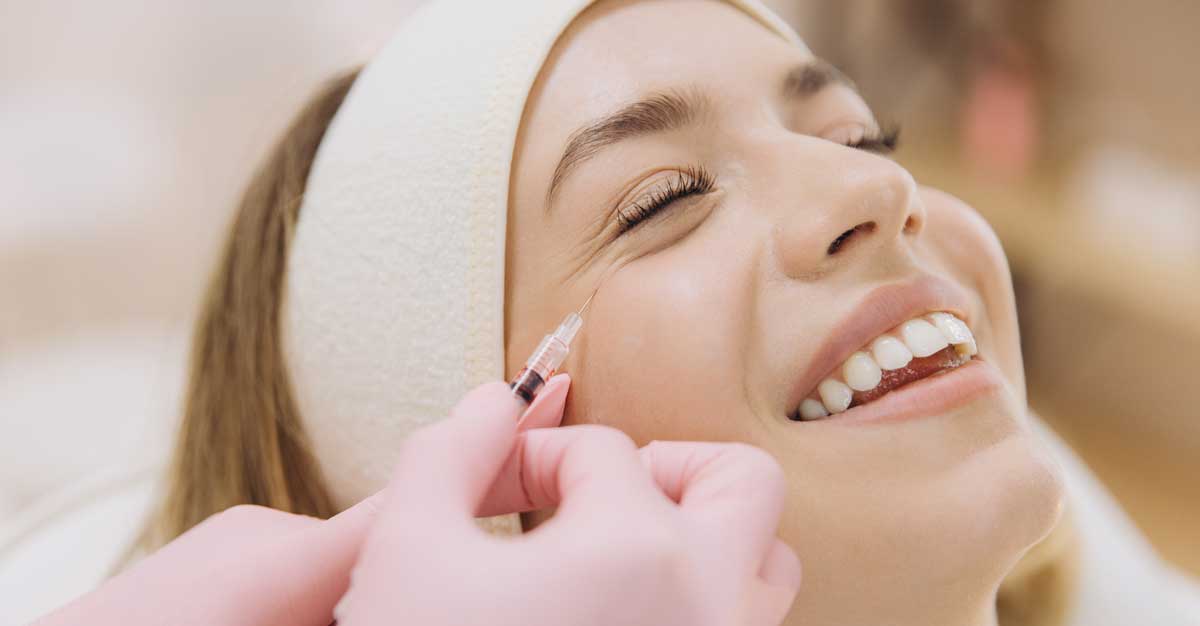
Botulinum toxin, often referred to by the popular brand name “Botox” has become a go-to solution for smoothing fine lines, softening facial expressions, and achieving a refreshed appearance. But with several types of botulinum toxin available on the market today, how do you know which one is right for you?
In this guide, we break down the different types of botulinum toxin, how they differ, and what to consider when choosing a treatment without focusing on brand names, so you can make an informed, unbiased decision.
What Is Botulinum Toxin and How Does It Work?
Botulinum toxin is a purified protein derived from the Clostridium botulinum bacterium. When injected in small amounts into targeted facial muscles, it temporarily blocks nerve signals that cause muscle contractions, helping to reduce wrinkles, soften frown lines, and create a smoother, more youthful look.
Cosmetic botulinum toxin is most commonly used to treat:
- Forehead lines
- Crow’s feet (around the eyes)
- Frown lines (between the eyebrows)
- Neck bands
- Jaw slimming or facial contouring
Are All Botox Injections the Same?
While all botulinum toxin formulations share the same basic mechanism, they can vary significantly in their:
1. Origin and Manufacturing Process
Different countries produce their own versions of botulinum toxin using unique purification methods. This affects the stability, spread, and overall performance of the product.
2. Molecular Composition
Some formulations contain accessory proteins, while others are made with a “naked” toxin; meaning they include only the active neurotoxin without complexing proteins. This difference can affect how the body builds resistance to the product over time.
3. Diffusion and Spread
Certain toxins spread more widely under the skin, which can be beneficial for treating larger areas like the forehead but may require more precision near sensitive zones like around the eyes or lips.
4. Onset and Duration
Some types start working in 2–3 days, while others take up to a week.
Results typically last 3 to 4 months, though this may vary depending on the formulation, dose, and individual metabolism.
How to Choose the Right Botulinum Toxin for You
Here are key factors to consider when choosing your treatment:
1. Your Injector Matters Most
The success of any botulinum toxin treatment depends more on the skill of the injector than the brand used. Always choose a licensed, experienced practitioner who specializes in aesthetic injections.
2. Share Your Treatment Goals
Do you want subtle, natural-looking results? Or are you looking for a more dramatic smoothing effect? Discuss your expectations so your provider can choose the most suitable product and dosage.
3. Consider Your Medical and Cosmetic History
If you’ve been treated before, let your provider know which product was used and how it performed. If you’ve developed resistance or experienced side effects, a different formulation may be recommended.
4. Safety and Authenticity Are Essential
Make sure your treatment is done in a reputable clinic using certified products. Unregulated or counterfeit botulinum toxin can be unsafe and ineffective.
5. Don’t Be Tempted by Cheap Deals
Low prices may indicate diluted or unapproved products. High-quality treatments from trusted professionals are worth the investment for your safety and results.
Final Thoughts: It’s Not About the Brand, It’s About the Result
With so many types of botulinum toxin available, it’s easy to get caught up in brand names or regional trends. But at the end of the day, what truly matters is the quality of your treatment, the expertise of your injector, and your own aesthetic goals.
If you’re considering Botox or any form of botulinum toxin treatment, start with a consultation. Ask questions, express your concerns, and make sure you feel confident in the clinic and the practitioner you choose.