




12 Jun Unmasking the Power of SPF: From Sun Defense to Skin Perfection
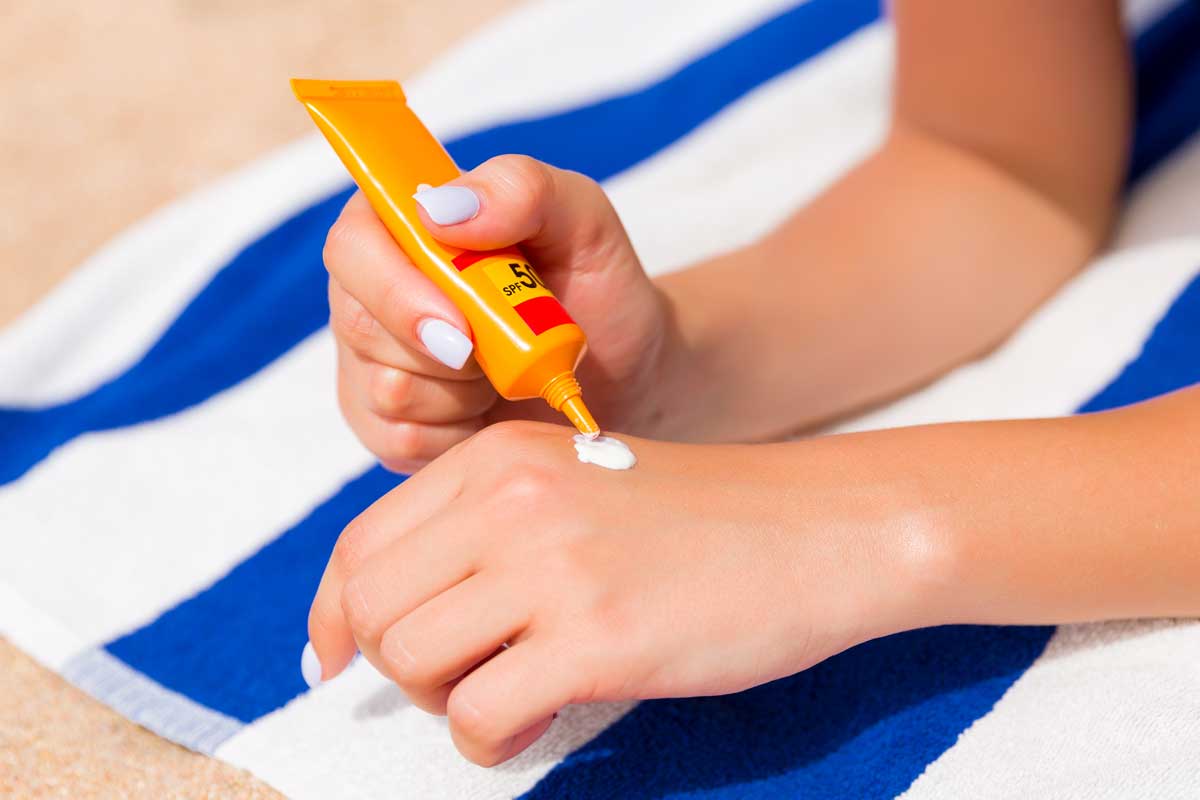
SPF is no longer just a beach-day essential, it’s the foundation of every effective skincare routine. Whether you’re chasing that youthful glow or aiming to prevent premature aging, sunscreen is your skin’s best daily defense. In this article, we dive into the history of SPF, how it works, and why using it every day of the year is key to healthy, radiant skin.
What Is SPF and Why Does It Matter?
SPF stands for Sun Protection Factor. It measures how well a sunscreen protects your skin from UVB rays, the kind that cause sunburn. But there’s more to the sun than just UVB. UVA rays penetrate deeper into the skin, accelerating aging and increasing the risk of skin cancer.
Using a broad-spectrum SPF product means you’re shielded from both types of rays. This protection helps prevent:
- Sunburn
- Wrinkles and fine lines
- Dark spots and uneven skin tone
- Skin cancer
A Quick Look at the History of Sunscreen
The idea of sun protection dates back to ancient times. Civilizations like the Egyptians used natural oils and extracts to guard the skin. But it wasn’t until 1938 that the first modern sunscreen was created by Swiss chemist Franz Greiter. He later developed the SPF rating system we still use today.
Since then, SPF formulas have come a long way; from heavy, white creams to today’s lightweight lotions, gels, and even sprays.
Why SPF Is the Foundation of Modern Skincare
Ask any dermatologist what their #1 skincare tip is, and they’ll say: wear sunscreen daily. SPF is the most powerful anti-aging product available. It doesn’t just protect against burns, it preserves collagen, prevents pigmentation, and keeps skin looking fresh and youthful.
Today, SPF is everywhere: moisturizers, foundations, lip balms, serums, and even setting sprays. Why? Because skincare is no longer just about correction, it’s about prevention.
Do You Really Need SPF All Year Long?
Yes—365 days a year.
Even on cloudy days, up to 80% of UV rays can still reach your skin. UVA rays also pass through windows and glass, meaning you’re exposed even while indoors, driving, or working near natural light.
That’s why dermatologists stress daily SPF application, regardless of the weather or season.
How Does SPF Actually Work?
SPF products contain either mineral (physical) or chemical filters:
- Mineral sunscreens (like zinc oxide and titanium dioxide) sit on top of the skin and reflect UV rays. They’re ideal for sensitive skin and kids.
- Chemical sunscreens (like avobenzone, octocrylene, and homosalate) absorb UV rays and convert them into heat. These tend to have lighter textures and are great under makeup.
Look for broad-spectrum and SPF 30 or higher for effective daily protection.
Safe Ingredients to Look For in Sunscreen
Not all sunscreens are created equal. Choose products with these dermatologist-approved, safe ingredients:
- Zinc oxide – gentle, broad-spectrum, and reef-safe
- Titanium dioxide – another great mineral filter
- Avobenzone – an effective UVA filter in chemical sunscreens
- Octocrylene – stabilizes other sunscreen ingredients
Avoid sunscreens with oxybenzone and octinoxate if you’re looking for reef-safe, non-irritating formulas. Also skip added fragrance and alcohol if you have sensitive or reactive skin.
Final Thoughts: Make SPF a Daily Habit
SPF isn’t just skincare, it’s self-care. Whether you’re 16 or 60, adding sunscreen to your morning routine is one of the best ways to protect your skin for the long run. It’s simple, effective, and proven.
So, unmask the true power of SPF and let your skin glow with confidence, health, and protection all year long.